




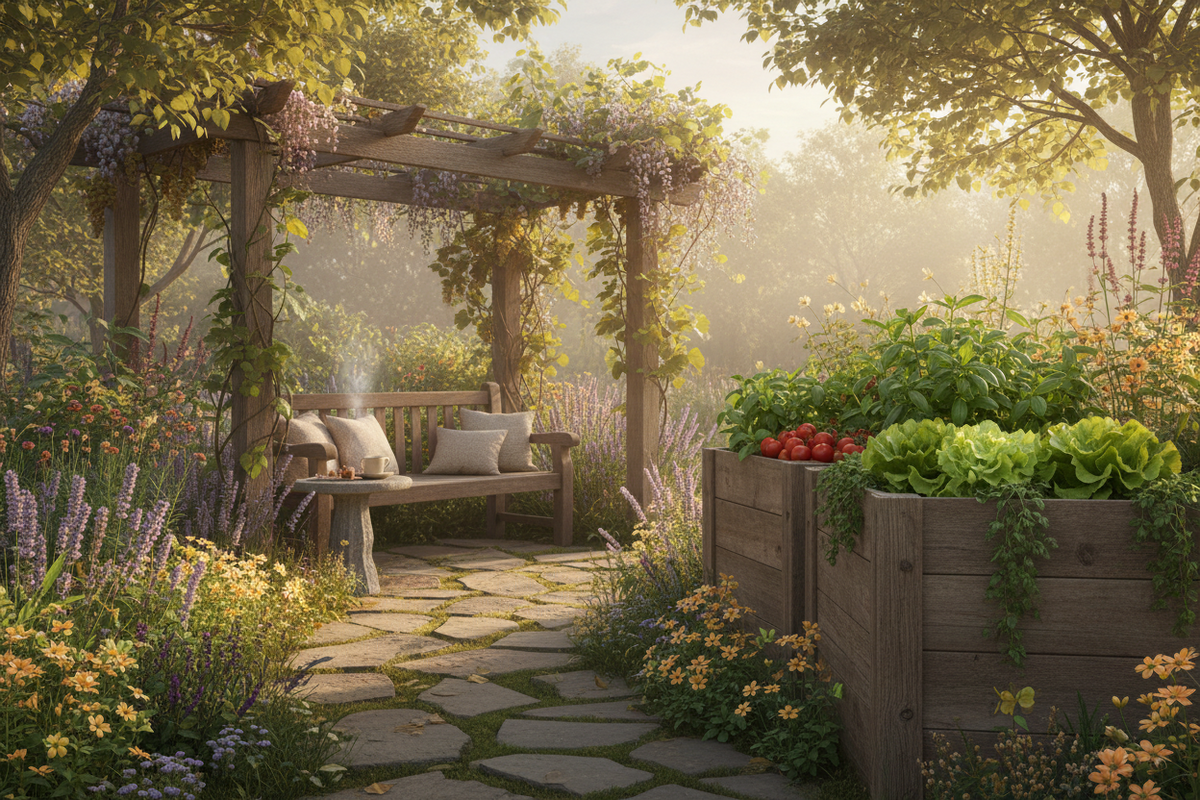

The Forgotten Design Secret: How Garden Pathways Can Transform Your Backyard
Share
A Path Does More Than Take You Somewhere
Think about your favorite garden.
You probably remember the plants.
But you may also remember how you moved through it.
A curved pathway.
Flowers leaning gently toward the edge.
A bench waiting at the end.
A beautiful garden isn't only about what you plant.
It's also about how you experience the space.
Why Pathways Matter
Garden pathways can:
✔ Organize outdoor spaces
✔ Connect different garden zones
✔ Encourage exploration
✔ Define planting beds
✔ Create visual direction
✔ Make everyday garden access easier
Even a modest backyard can feel more intentional when movement through the space has been considered.
Step 1 — Decide Where the Path Should Lead
Every pathway should have a reason.
Maybe it connects:
Patio → Vegetable Garden
House → Outdoor Dining Area
Deck → Fire Pit
Front Door → Side Garden
Garden Gate → Relaxation Corner
A pathway becomes more interesting when customers can see—or imagine—something worth reaching.
Step 2 — Choose Straight or Curved
Straight pathways feel structured and direct.
Curved pathways tend to feel relaxed and encourage visual discovery.
Neither is automatically better.
Choose the style that complements your home and garden.
Step 3 — Define the Edges
Clean edges make even simple pathways look intentional.
Use appropriate landscape edging or plants to create separation between the path and surrounding garden beds.
Step 4 — Add Plants Along the Journey
Don't treat the path as separate from the garden.
Let plants interact with it.
Use low-growing flowers, herbs, grasses, or other suitable plants to soften the edges.
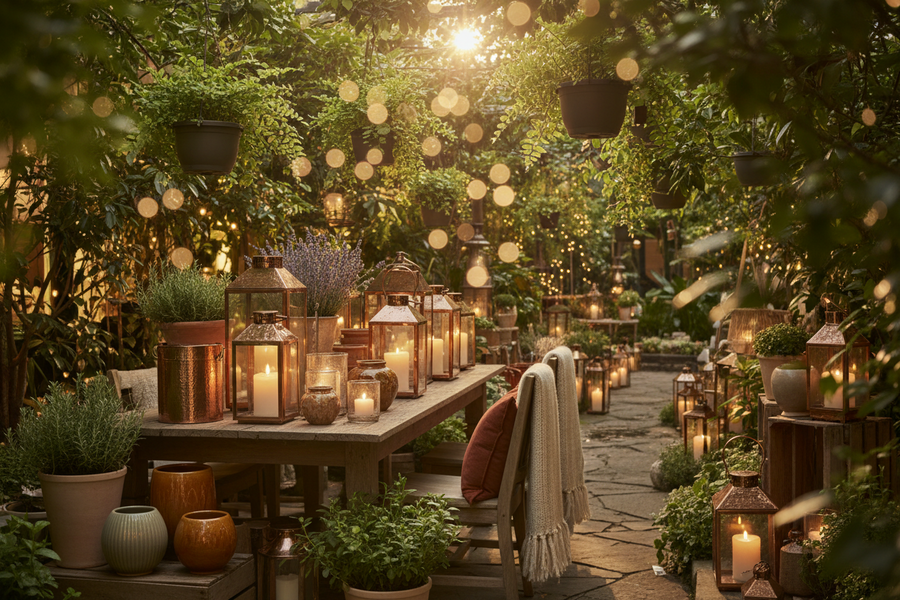
Step 5 — Think About Nighttime
Your pathway doesn't disappear when the sun goes down.
Solar pathway lights or other suitable outdoor lighting can help define the route while creating evening ambience.
Step 6 — Create a Destination
This is the detail that makes a pathway memorable.
At the end, consider adding:
A garden bench
A statement planter
A small fountain
A birdbath
A raised bed
A seating area
Give people a reason to follow the path.
Common Mistakes to Avoid
Avoid making pathways unnecessarily narrow.
Don't place decorative objects where they become tripping hazards.
Use materials suitable for outdoor use and your environment.
And remember drainage.
A beautiful path isn't useful if water consistently collects across it.
Sage & Spade Essentials
-
Garden Edging
-
Solar Pathway Lights
-
Decorative Planters
-
Landscaping Tools
-
Garden Gloves
-
Outdoor Décor
-
Garden Seating
Before → After
Before: Separate garden areas without a visual connection.
After: A landscape that invites you to walk, explore, and discover.
FAQ
Do small gardens need pathways?
Even a short pathway or defined stepping area can help organize a compact garden.
Should a garden path be straight?
Not necessarily. The best shape depends on the purpose and style of your space.
Can lighting be added later?
Yes. Solar and other flexible outdoor-lighting options can make retrofitting easier depending on the location.
Conclusion
A pathway isn't simply a way through your garden.
It can become part of the experience itself.
Create somewhere worth walking.
Then create something beautiful waiting at the end.
👉 Explore Landscaping & Outdoor Lighting
Sage & Spade — Every beautiful garden deserves a journey.