



The Fall Garden Reset: 9 Simple Things to Do Now for a Healthier Garden
Share
Your Garden Is Ready for a Different Kind of Care
There is a moment every fall when the garden seems to slow down.
Summer flowers begin fading. Leaves gather along pathways. Vegetable plants become less productive, and the tools that rarely stayed inside during summer finally spend more time in the shed.
It can feel like gardening season is ending.
But fall isn't simply the end of the garden.
It's one of the best opportunities to prepare for what comes next.
A thoughtful fall reset can help you organize your outdoor space, care for the soil, protect equipment, and begin planning for another beautiful growing season.
Why Fall Garden Care Matters
Spring gets most of the gardening attention.
But many spring garden problems begin with things that were forgotten months earlier.
Tools were stored dirty.
Old containers were never cleaned.
Garden beds were left disorganized.
Plant supports remained outside unnecessarily.
Instead of leaving everything until spring, spend a few fall weekends putting your garden back in order.
Step 1 — Walk Before You Work
Don't immediately start cutting and removing everything.
Walk around your garden first.
Look at:
-
Garden beds
-
Planters
-
Raised beds
-
Irrigation equipment
-
Hoses
-
Outdoor furniture
-
Garden tools
-
Plant supports
Make a short list of what actually needs attention.
This prevents an easy garden cleanup from becoming an overwhelming project.
Step 2 — Remove What Has Finished
Remove annual plants that have completed their growing cycle where appropriate.
Clear damaged plant material and collect unwanted garden debris.
But remember:
A fall garden doesn't necessarily need to look completely empty.
Some plants can continue providing structure and seasonal interest.
The goal is thoughtful cleanup—not removing everything simply because summer has ended.
Step 3 — Give Garden Beds Attention
Once beds are easier to see, inspect the soil.
Depending on your plants and garden conditions, fall can be a useful time to incorporate suitable compost or soil amendments.
This is also a good opportunity to redefine garden-bed edges and refresh mulch where appropriate.
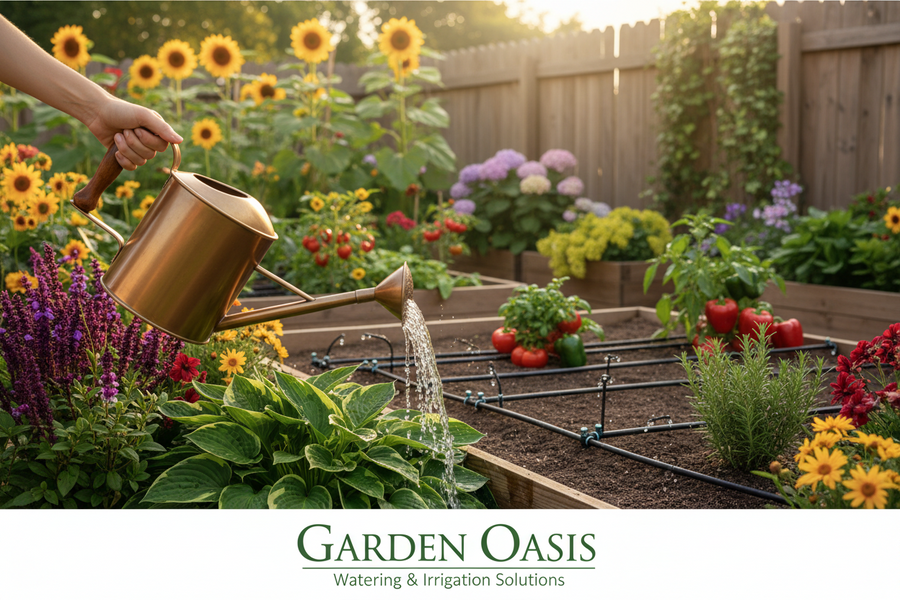
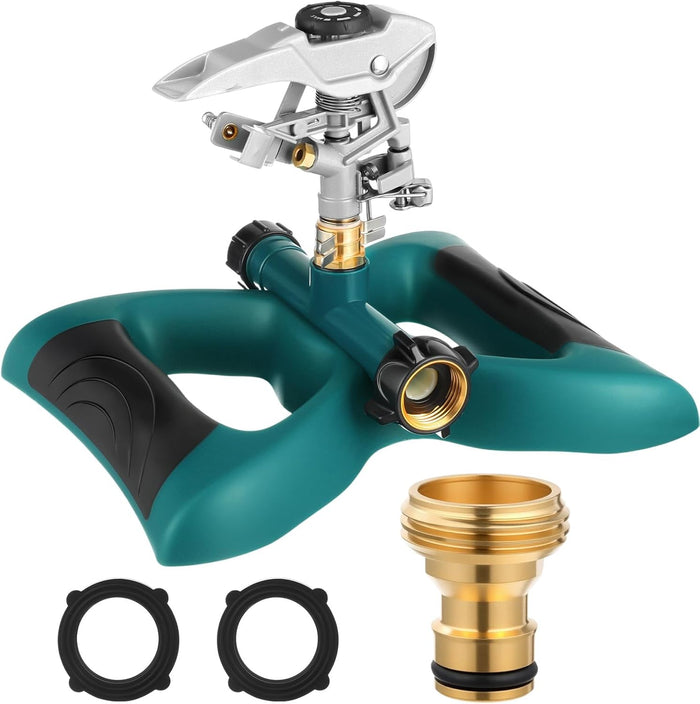
Step 4 — Inspect Your Watering System
Your watering needs may change as temperatures cool.
Check:
Hoses
Nozzles
Timers
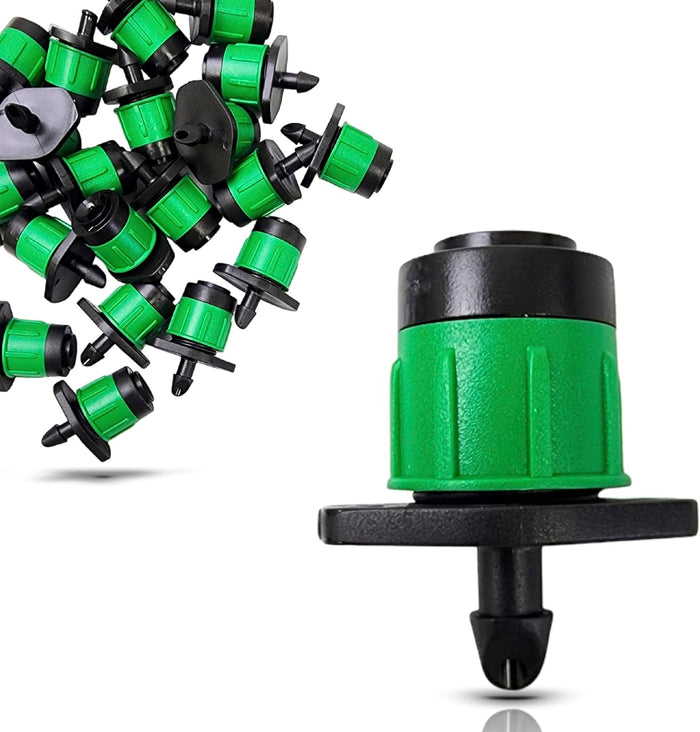
Drip lines
Connectors
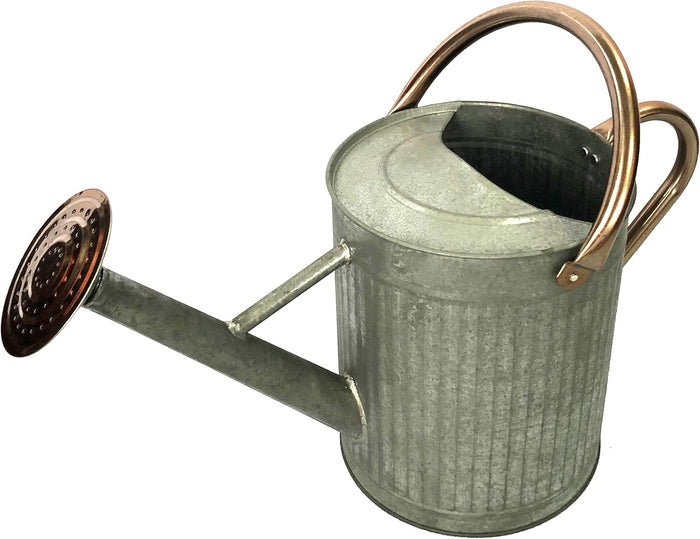
Watering wands
Look for leaks, damaged fittings, or equipment that should be cleaned and stored according to its manufacturer's recommendations.
Step 5 — Clean Your Tools
This small job is easy to postpone.
But your future self will appreciate it.
Remove soil from hand tools.
Clean pruning equipment.
Dry metal surfaces before storage.
Check wooden handles and moving components.
Sharpen and maintain tools when appropriate.
Step 6 — Organize the Garden Shed
Create simple zones:
Cutting Tools
Digging Tools
Watering Equipment
Planting Supplies
Gloves & Protective Gear
Seasonal Supplies
The easier things are to find, the easier next season will begin.
Step 7 — Review What Worked
Ask yourself:
Which plants performed beautifully?
Which containers dried too quickly?
Where did weeds become difficult?
Which area needed more color?
Which garden tool did you constantly use?
These observations are valuable.
Write them down.
Common Mistakes to Avoid
Don't assume every plant should be cut back in exactly the same way.
Don't leave dirty or wet tools in storage.
Don't ignore damaged watering equipment until spring.
And don't treat fall as simply “cleanup season.”
It is also planning season.
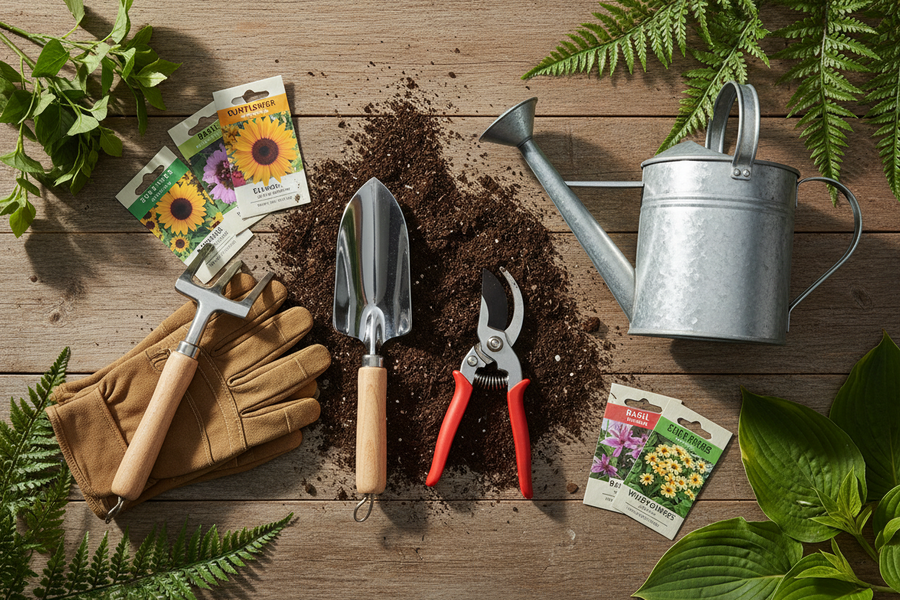
Sage & Spade Essentials
Consider:
-
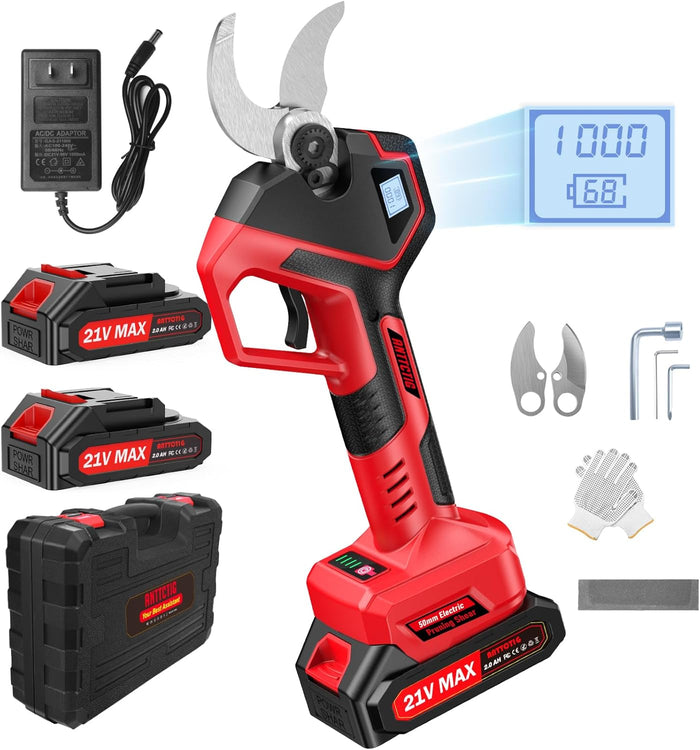
Pruning Shears
-
Gardening Gloves
-
Hand Cultivators
-
Garden Rakes
-
Garden Waste Bags
-
Soil Tools
-
Tool Organizers
-
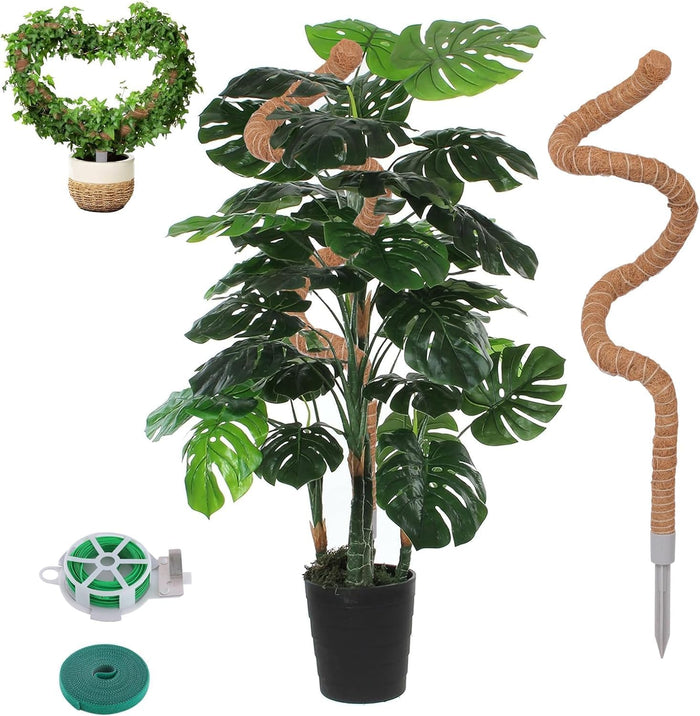
Plant Supports
-
Watering Accessories
Before → After
Before
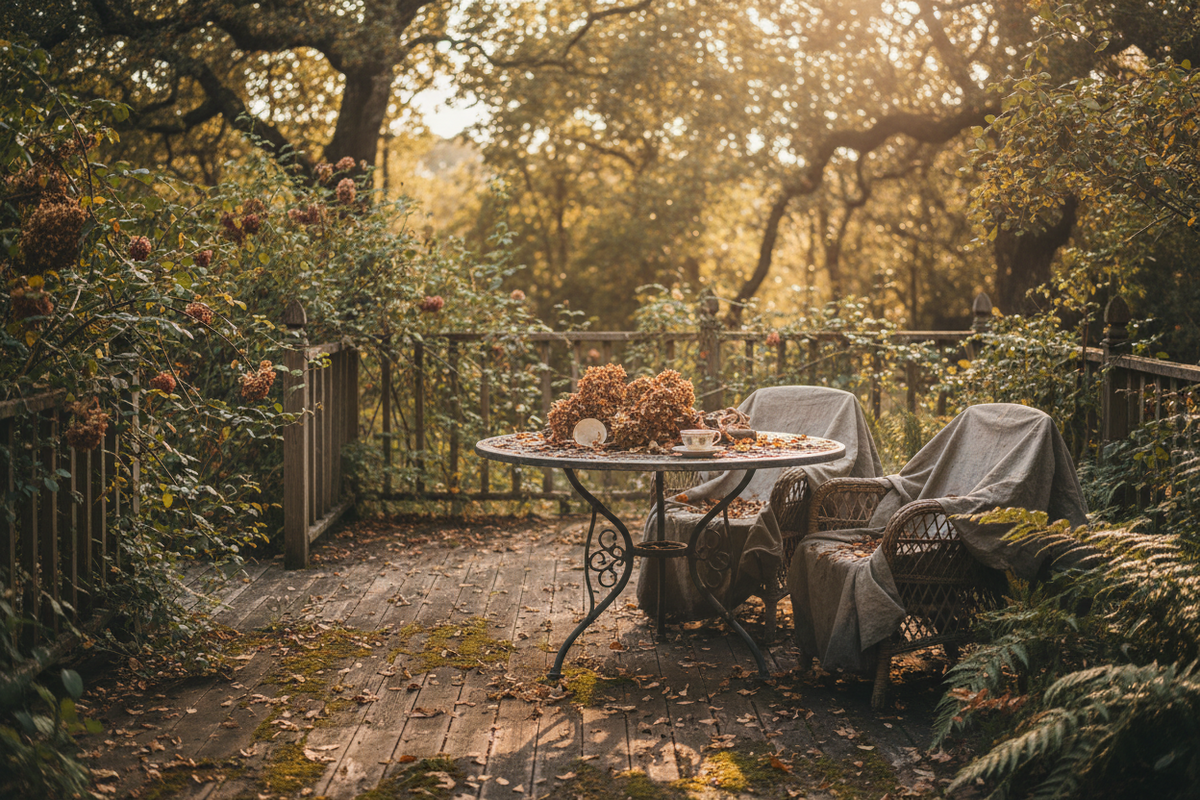
A tired garden filled with unfinished summer projects.
After
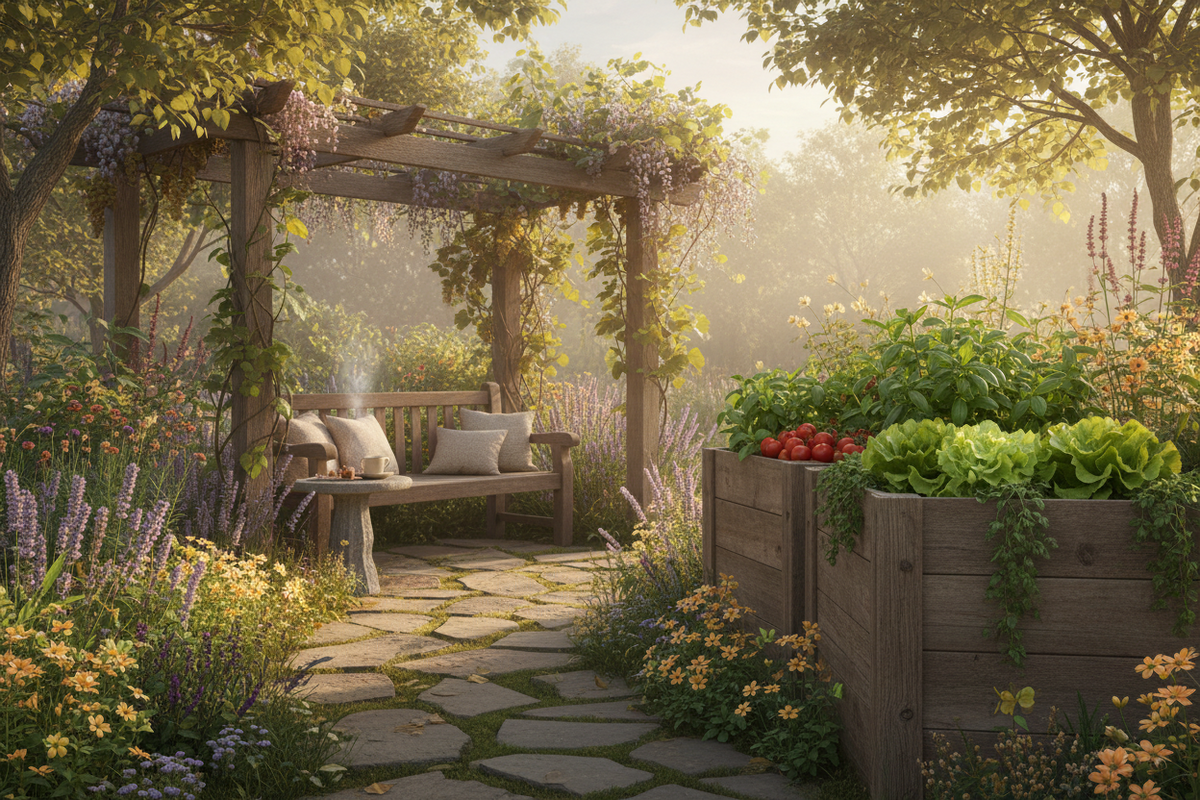
A clean, organized outdoor space prepared for its next season.
✔ Tools ready for future projects
✔ Cleaner garden beds
✔ Better organization
✔ Fewer forgotten maintenance jobs
✔ A clearer plan for spring
Quick Tip
Take photos before you finish your fall cleanup.
They will help tremendously when planning next year's garden.
FAQ
Should I remove every plant in fall?
No. Different plants have different seasonal requirements. Identify your plants before deciding what should be removed, trimmed, or left in place.
Should garden tools be cleaned before winter storage?
Cleaning and thoroughly drying tools before longer-term storage is a good maintenance habit.
Should I stop thinking about watering in fall?
Not automatically. Water needs depend on weather, plant type, soil conditions, and location.
Conclusion
A beautiful spring garden doesn't begin on the first warm day of spring.
In many ways, it begins months earlier.
Clean a tool.
Organize a shelf.
Care for the soil.
Make a note about what you want to change.
Small actions now can make the next growing season feel much easier.