


The Raised Bed Garden: A Beginner-Friendly Way to Grow More in a Beautiful, Organized Space
Share
Introduction — Sometimes a Garden Needs Boundaries
You want fresh herbs.
Maybe tomatoes.
A few peppers.
Perhaps flowers for cutting.
But when you look at your backyard, you aren't sure where the garden should begin.
That's where raised beds can change the experience.
Instead of transforming the entire yard, you create one defined growing space.
Fill it.
Plant it.
Learn from it.
And allow your garden to grow from there.
Why Raised Beds Appeal to Home Gardeners
Raised beds can create a clear separation between growing areas and the rest of the landscape.
Depending on their design and location, they may also provide:
✔ Defined growing space
✔ Easier soil management
✔ Cleaner garden organization
✔ Convenient crop rotation
✔ Attractive landscape structure
✔ Easier access in some configurations
They're useful for vegetables, herbs, flowers, or combinations of all three.
Step 1 — Location Comes First
Before buying a raised bed, decide where it will live.
Consider:
Sunlight
Access to water
Drainage
Walking space
Nearby trees
Accessibility
Visual relationship with the rest of the yard
Don't choose a location simply because it is empty.
Choose it because it makes sense for what you want to grow.
Step 2 — Don't Build Bigger Than You Can Reach
One of the great benefits of raised beds is being able to reach plants without constantly stepping into the growing area.
Think carefully about width and access from each side.
A beautiful oversized bed becomes frustrating if reaching the center is difficult.
Step 3 — Think About What You Actually Eat
Don't plant vegetables simply because gardeners are “supposed” to grow them.
Grow what your household enjoys.
Love summer salads?
Consider lettuce, herbs, cucumbers, or tomatoes where conditions allow.
Cook with herbs constantly?
Create an herb section.
Love flowers?
Dedicate part of the bed to blooms suitable for your garden.
Your garden should reflect your kitchen and lifestyle.
Step 4 — Plan Vertical Space
Not everything needs to grow horizontally.
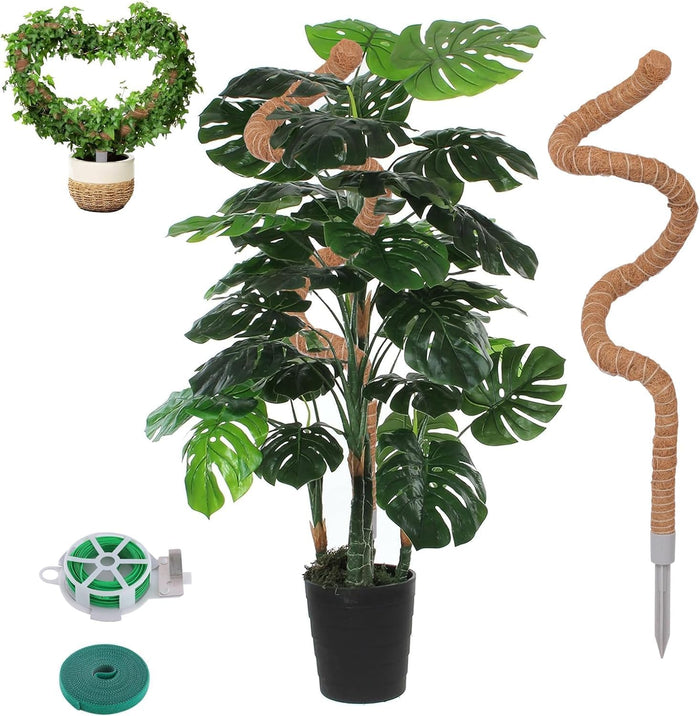
Trellises and supports can help certain climbing plants use vertical space.
This can also add height and visual interest to the garden.
Potential accessories include:
-
Trellises
-
Tomato cages
-
Plant stakes
-
Plant clips
-
Soft plant ties
Choose support systems appropriate for the plants you're growing.
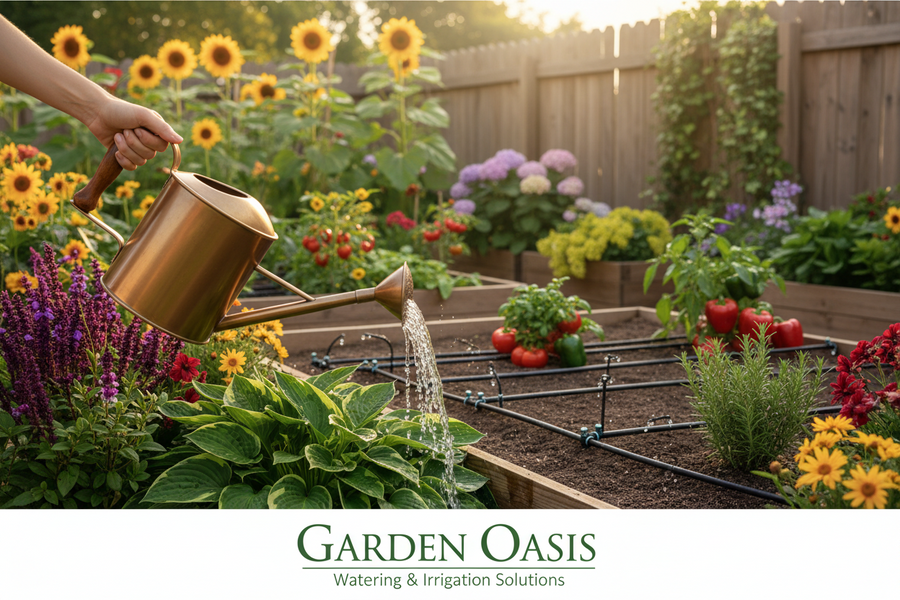
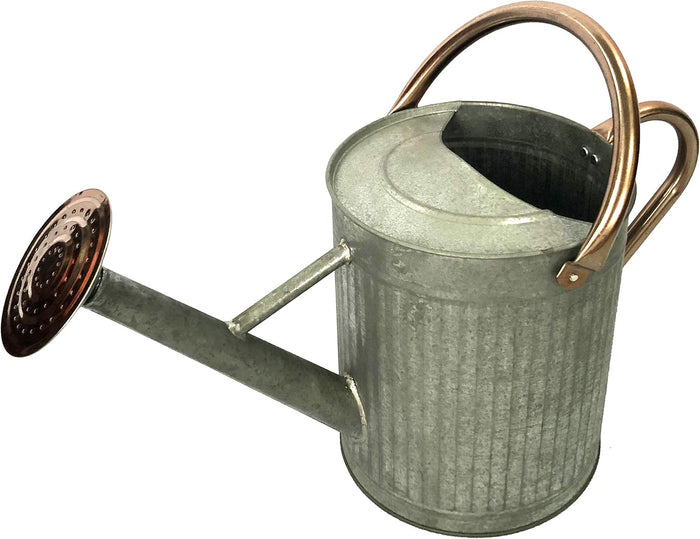
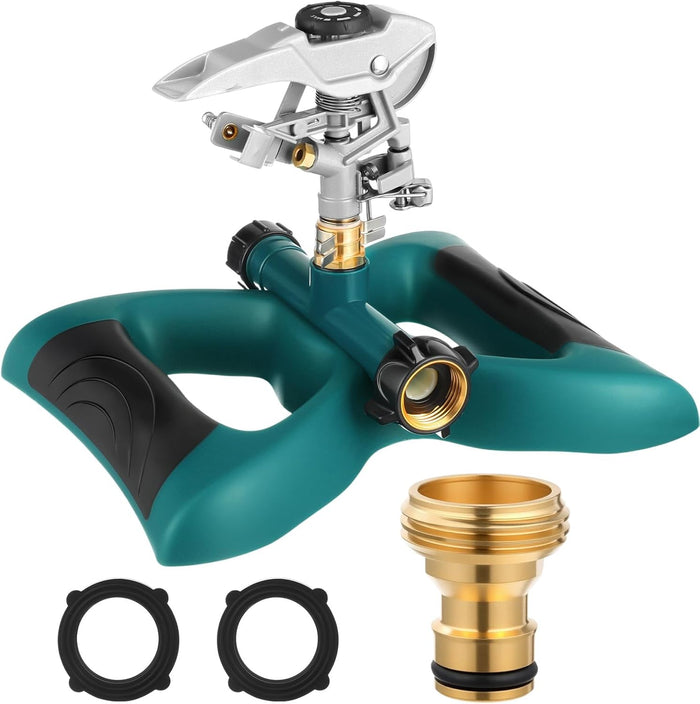
Step 5 — Make Watering Convenient
A garden located far from a practical water source can become frustrating.
Before planting, think about how you will water.
Possible solutions include:
Garden hose
Watering wand
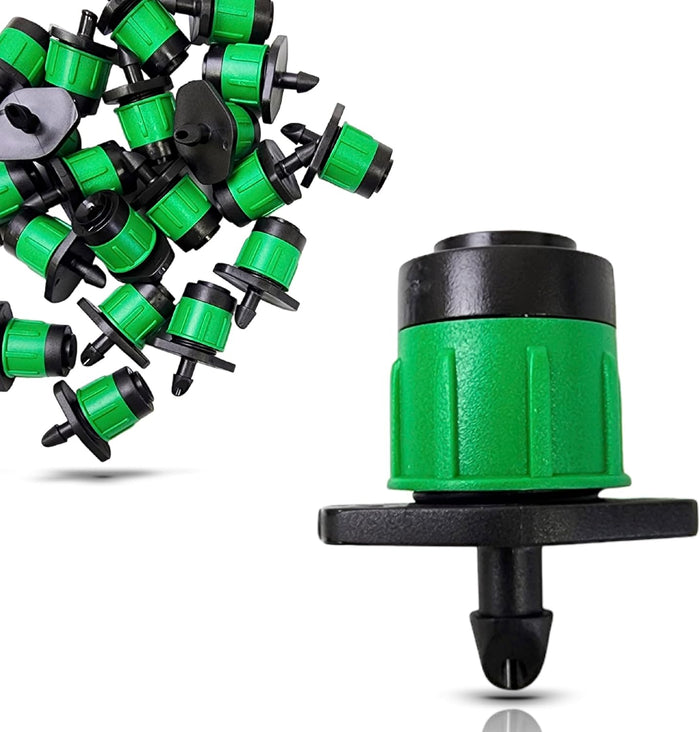
Drip irrigation
Soaker hose
Timer systems
Choose based on your garden size and plants.
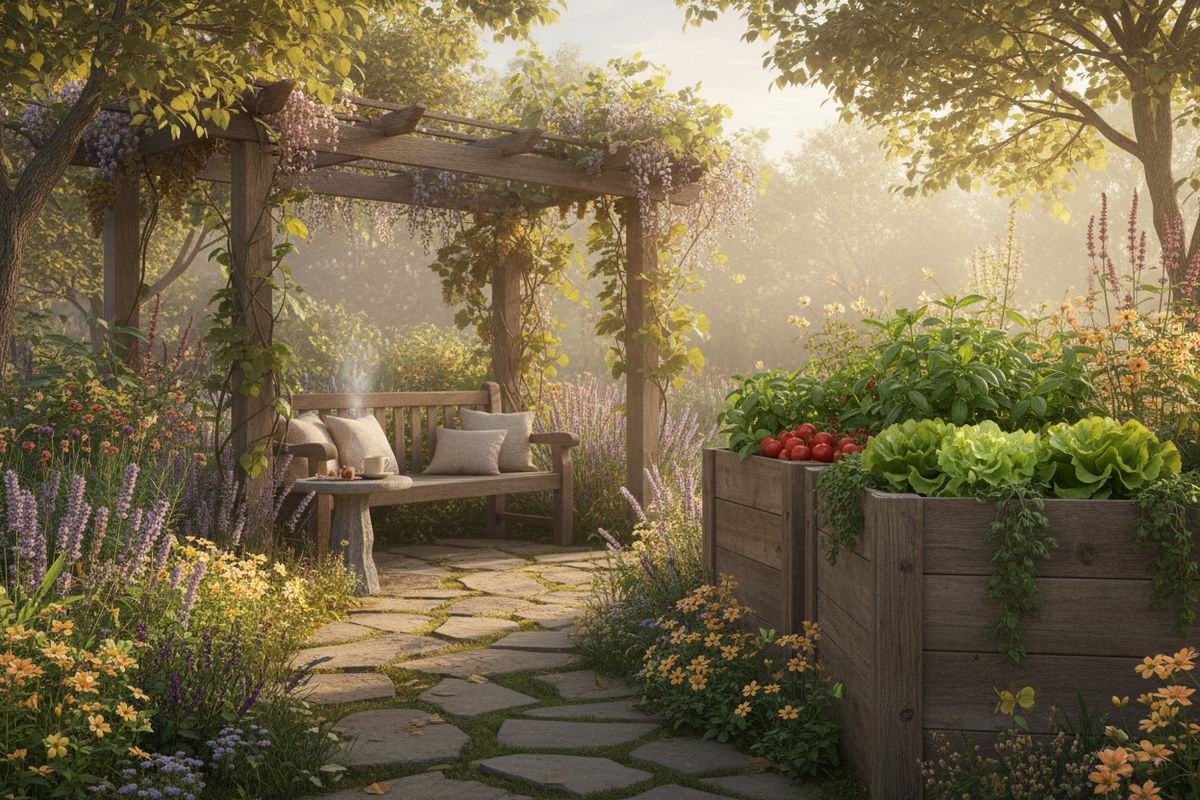
Step 6 — Add a Little Beauty
Raised beds don't have to feel purely functional.
Add flowers.
Create a pathway.
Place an attractive planter nearby.
Use garden labels.
Add a small bench.
The goal is to create somewhere you enjoy visiting—not simply somewhere vegetables grow.
Common Mistakes to Avoid
❌ Starting Too Large
More growing space also means more planting, watering, harvesting, and maintenance.
❌ Ignoring Sunlight
A convenient location isn't automatically a good growing location.
❌ Poor Accessibility
Leave comfortable pathways around the bed.
❌ Planting Without Considering Mature Size
Small seedlings can become large plants surprisingly quickly.
❌ Forgetting Supports
Plan ahead for crops that may need cages, stakes, or trellises.
Sage & Spade Essentials
-
Galvanized Raised Garden Beds
-
Elevated Planter Boxes
-
Garden Trellises
-
Tomato Cages
-
Plant Stakes
-
Drip Irrigation Kits
-
Soil Scoops
-
Hand Trowels
-
Gardening Gloves
-
Garden Kneelers
Before → After
BEFORE
“I want to grow vegetables, but I don't know where to start.”
AFTER
One defined garden bed.
A few favorite vegetables.
Fresh herbs.
Flowers along the edge.
And suddenly—
you're gardening.
Quick Tips
Start with one bed.
Leave room to walk.
Keep water nearby.
Don't overcrowd seedlings.
Record what you planted.
Learn during the first season before expanding.
FAQ
Are raised beds only for vegetables?
No. They can be used for herbs, flowers, vegetables, and mixed planting depending on the design.
Should beginners start with several beds?
One manageable bed is often enough to learn what works for you.
Do raised beds need irrigation?
Not necessarily, but convenient watering can make regular maintenance easier.
Conclusion
You don't need to turn your entire backyard into a farm.
Start with one defined space.
Plant something your family loves.
Watch it grow.
Harvest it.
Learn from it.
Then decide what comes next.
👉 Explore Raised Beds & Growing Essentials
Sage & Spade — Start small. Grow something wonderful.