



The Hidden Beauty of Shade: Turn Your Forgotten Garden Corner Into a Lush Retreat
Share
Introduction — The Corner You Thought You Couldn't Use
Every backyard has a story.
Some spaces are filled with afternoon sunshine, colorful flowers, and thriving vegetable beds. Others remain quiet beneath mature trees, beside tall fences, or along the shaded side of a home.
For many homeowners, these darker areas become forgotten spaces.
Perhaps you've tried growing flowers there, only to watch them struggle. Maybe the grass never seems to fill in. Or perhaps the corner simply feels too dark to become anything beautiful.
But what if that shaded space isn't a problem?
What if it's an opportunity?
A thoughtfully designed shade garden can become one of the most peaceful and inviting areas of your home.
Instead of fighting the conditions, you can learn to work with them.
At Sage & Spade, we believe every outdoor space deserves the chance to become something beautiful.
Why Shade Gardens Deserve More Attention
A sunny garden often attracts attention through colorful flowers. A shade garden creates interest in a different way.
It can rely on beautiful foliage, layered textures, subtle color combinations, decorative planters, and inviting pathways.
Shade also creates opportunities for comfortable outdoor seating, especially during warmer months.
The key is understanding that not all shade is the same.
Step 1 — Understand Your Shade
Before buying plants, observe the space throughout the day.
Light Shade: The area receives bright filtered light or limited direct sunlight.
Partial Shade: The space receives direct sunlight for part of the day.
Dappled Shade: Sunlight passes through tree branches, creating moving patterns of light.
Deep Shade: The area receives very little direct sunlight and may be unsuitable for many flowering plants.
These distinctions matter because plants respond differently to light availability.
A plant that thrives beneath a lightly shaded tree may struggle beside a permanently shaded wall.
Step 2 — Choose Plants for Foliage, Not Just Flowers
In shade gardens, foliage often becomes the main attraction.
Consider plants with different leaf shapes, sizes, and colors.
Depending on your climate and growing conditions, suitable options may include:
-
Hostas
-
Ferns
-
Heuchera
-
Certain woodland groundcovers
-
Shade-tolerant ornamental grasses
-
Regionally appropriate native woodland plants
Always check each plant's USDA hardiness zone, soil requirements, and mature size.
Instead of choosing five plants that look almost identical, create contrast.
Pair broad leaves with delicate foliage.
Combine darker greens with lighter, variegated leaves.
Use plants of different heights to create natural depth.
Step 3 — Create Layers That Feel Natural
Imagine your garden as a landscape painting.
The tallest elements form the background.
Medium-height plants create the middle layer.
Low-growing plants soften the foreground.
For example, a shaded border might include a taller shrub at the back, medium-sized foliage plants in the center, and suitable groundcovers along the edge.
The result is a garden that feels fuller and more intentional.
Step 4 — Brighten the Space With Planters
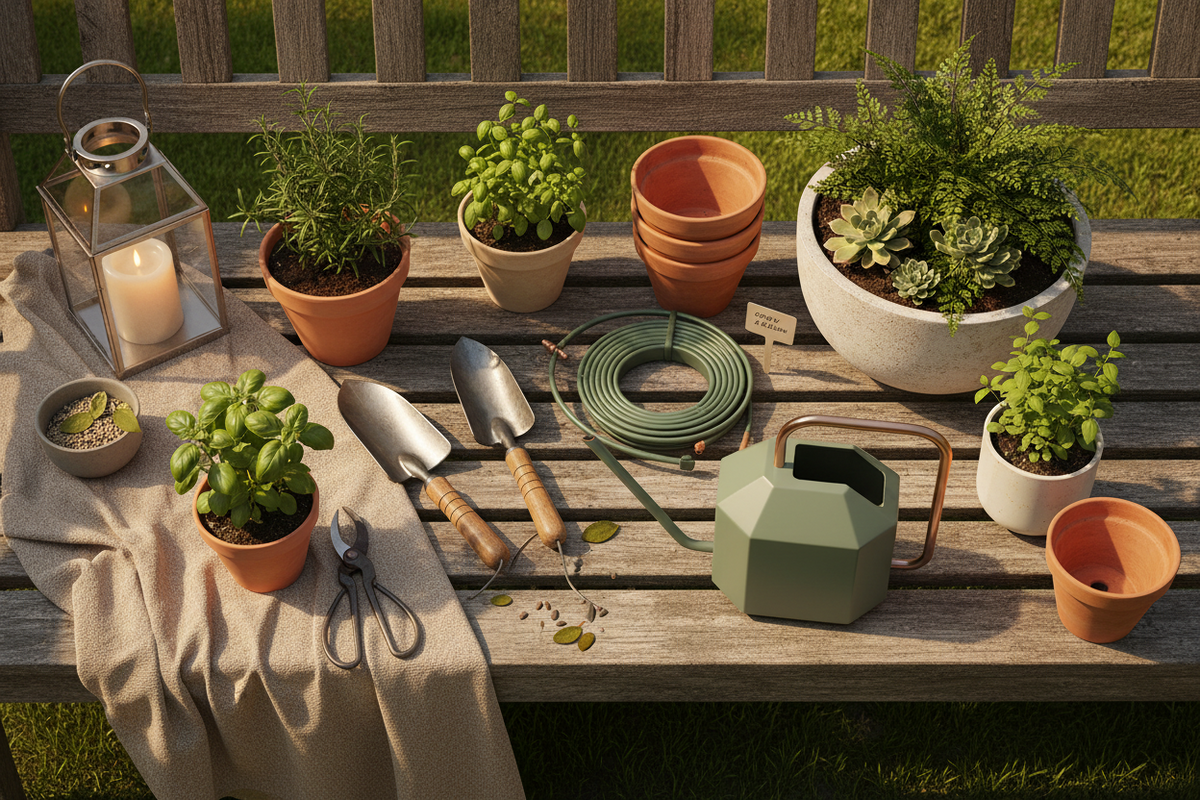
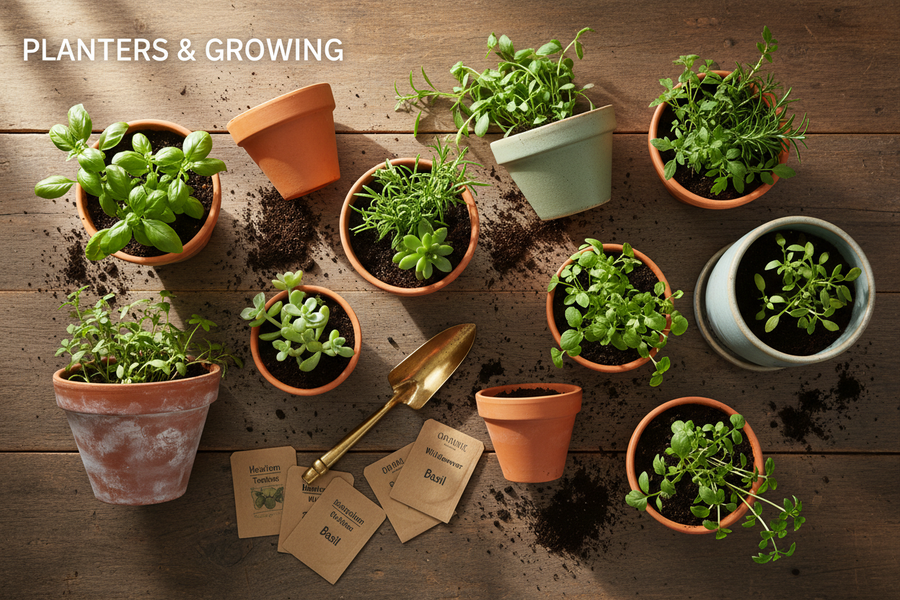
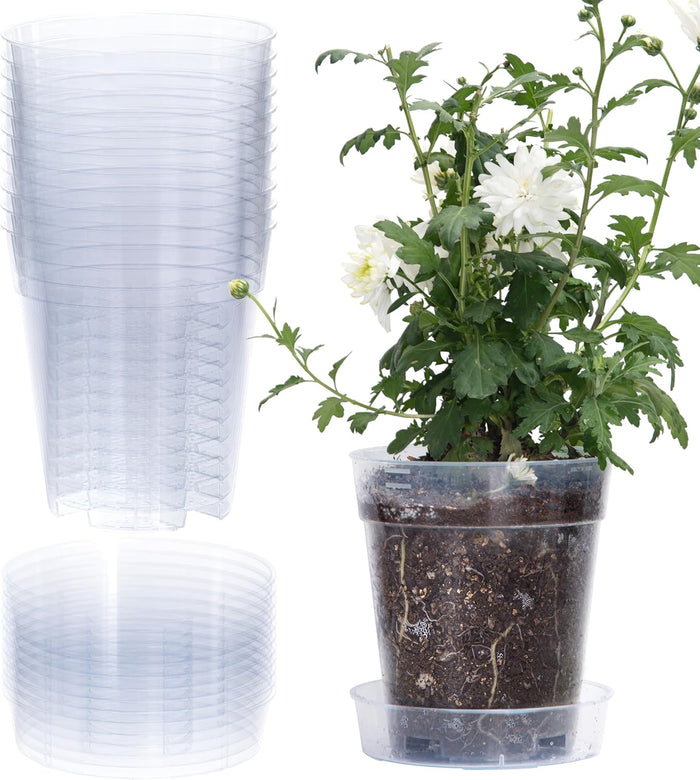
Decorative planters can introduce color and structure even when flowering plants are limited.
Consider light-colored containers, natural stone textures, or warm neutral finishes.
A pair of coordinated planters near a bench can create a beautiful focal point.
Containers also make it easier to experiment with plant placement.
Just remember that plants still need adequate light, water, and drainage.
Step 5 — Add a Comfortable Destination
A shade garden becomes more meaningful when it offers somewhere to pause.
Try adding a compact bench, a small outdoor chair, or a simple table.
A shaded seating corner can become a wonderful place for reading, morning coffee, or quiet conversation.
Use a stable, suitable surface beneath furniture and keep walking routes accessible.
Step 6 — Introduce Soft Lighting
Shade gardens can look particularly inviting when illuminated thoughtfully.
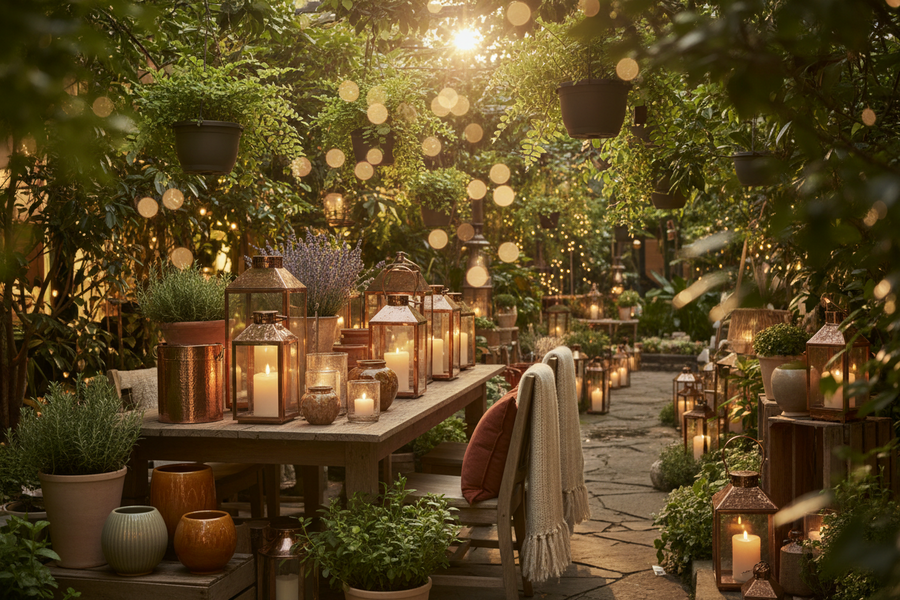
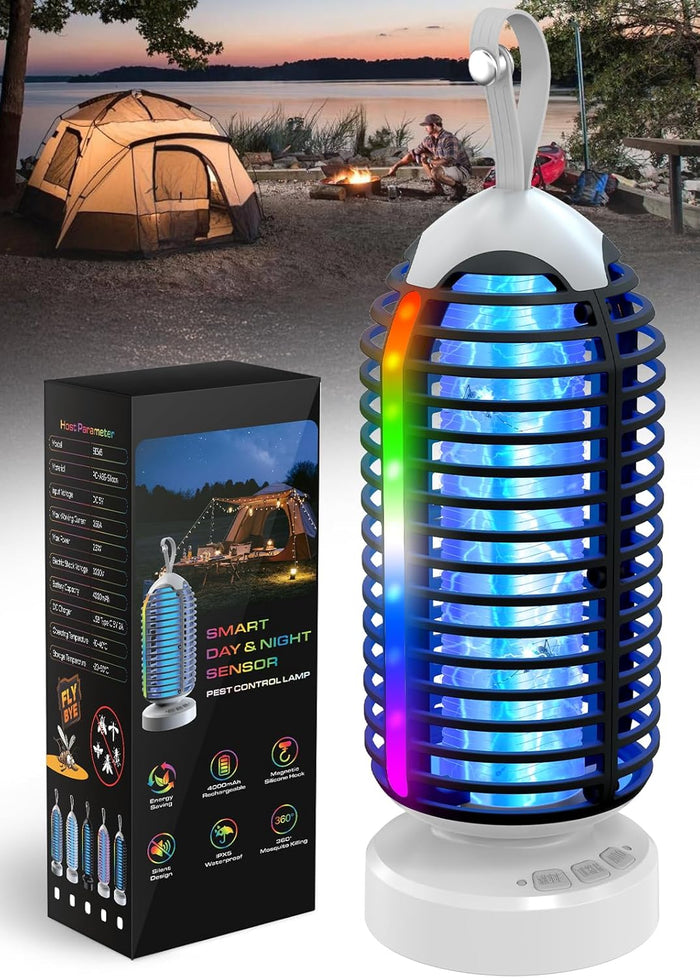
Consider subtle pathway lighting, outdoor lanterns, or accent lighting around a seating area.
Choose products suitable for outdoor use and their intended exposure.
Lighting should enhance the atmosphere without creating glare.
Step 7 — Work With Existing Trees
Areas beneath mature trees often have extensive roots and dry soil.
Avoid major digging that could damage important roots.
In some cases, containers, surface-level décor, or a seating area may be more appropriate than installing a new planting bed.
The University of Florida's gardening guidance emphasizes matching plants and landscape features to the actual light and root conditions of shaded sites.
Common Mistakes to Avoid
Trying to grow sun-loving plants in deep shade. Extra fertilizer cannot compensate for insufficient light.
Assuming shade means moist soil. Areas beneath mature trees can be surprisingly dry.
Planting too close to tree roots. Root damage can affect established trees.
Choosing too many decorative accessories. A restrained design often creates a calmer result.
Ignoring seasonal changes. The amount of shade can change as deciduous trees lose or regain their leaves.
Recommended Sage & Spade Essentials
-
Decorative Outdoor Planters
-
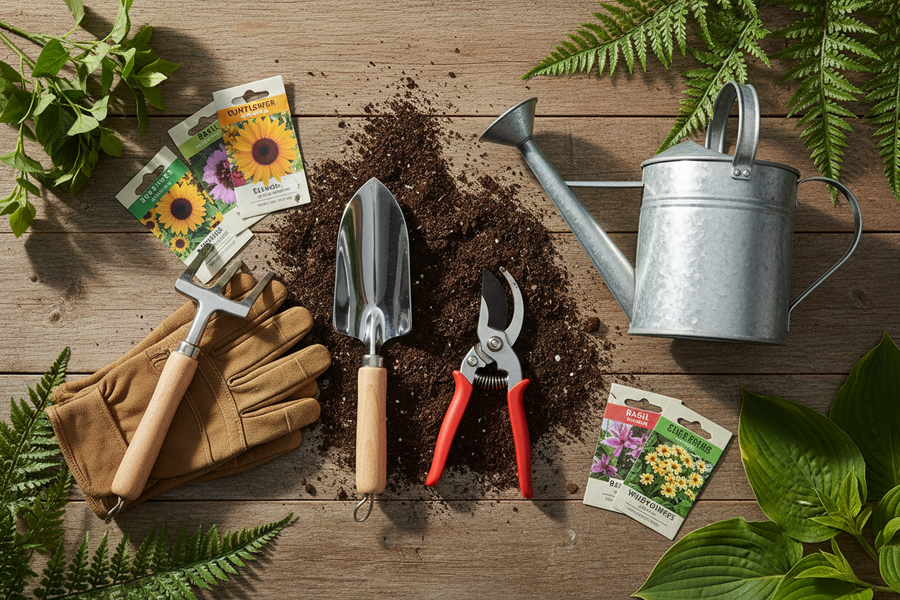
Garden Hand Tools
-
Plant Supports
-
Garden Kneelers
-
Solar Pathway Lights
-
Outdoor Lanterns
-
Patio Seating
-
Garden Décor
Before → After
BEFORE
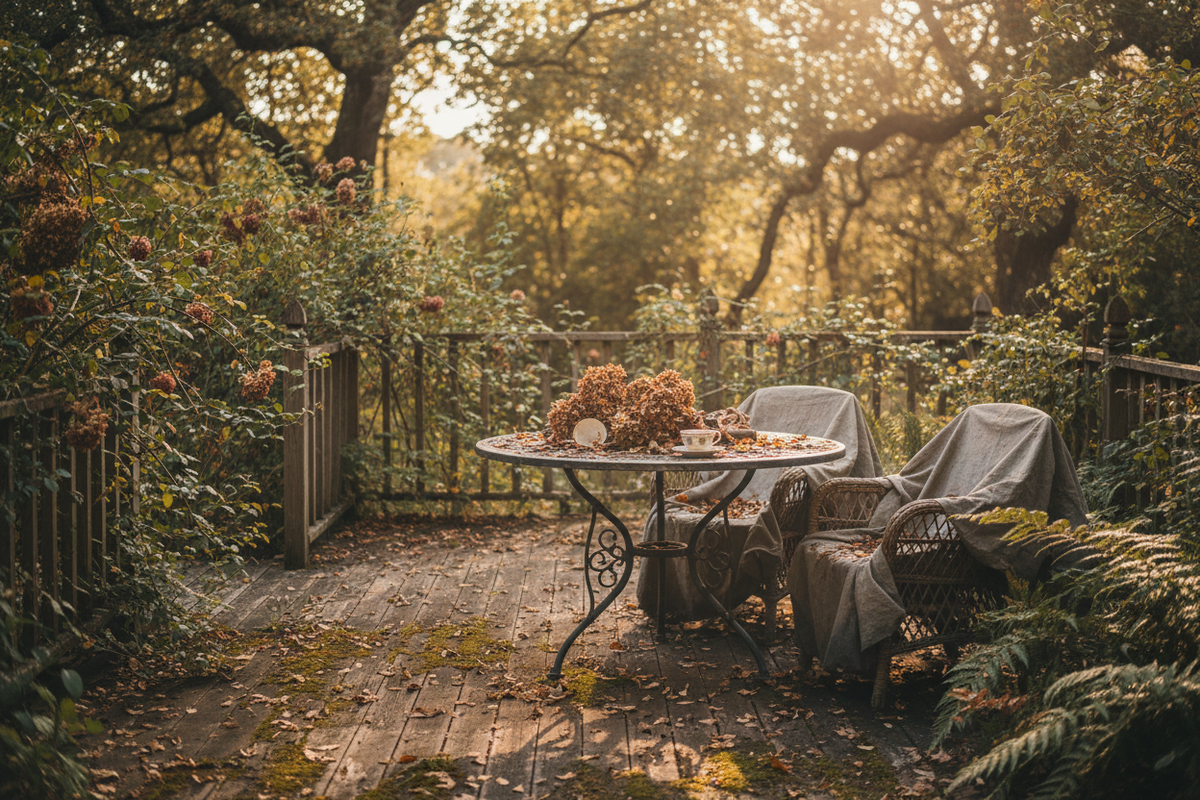
An unused, dark corner with patchy ground and little visual interest.
AFTER
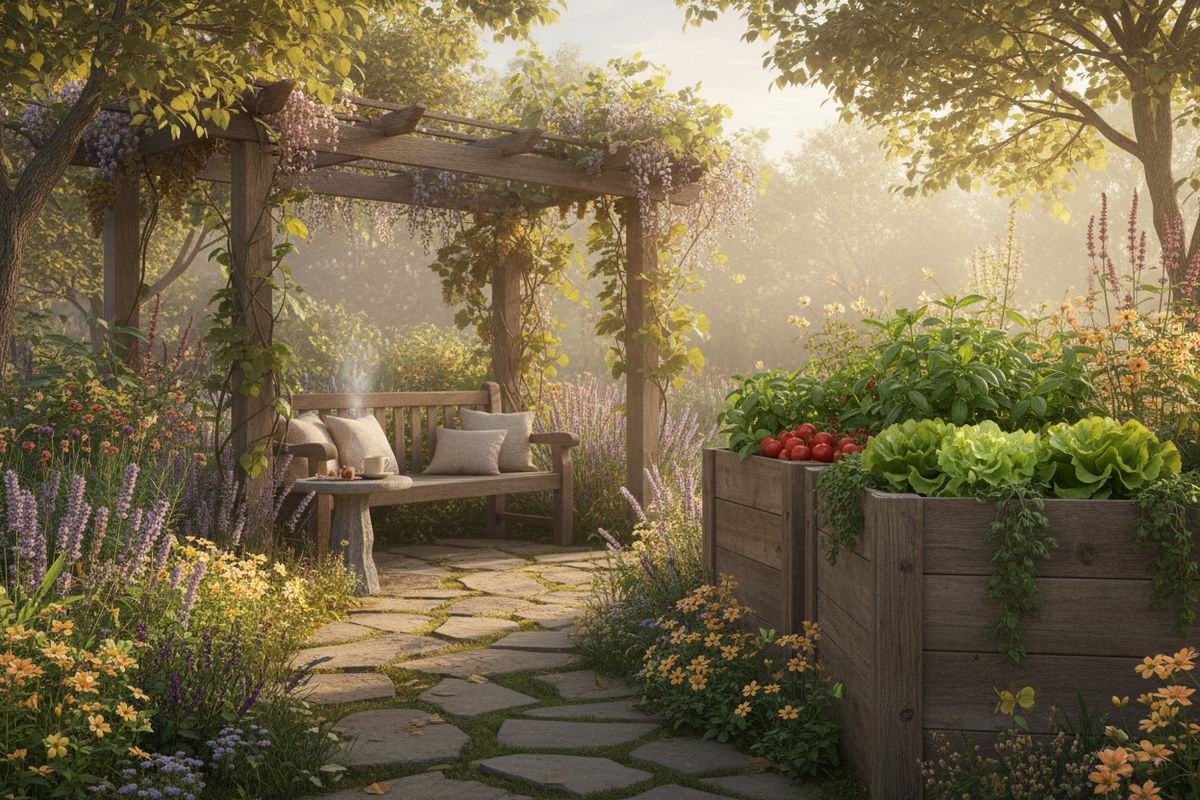
A peaceful retreat with layered greenery, attractive containers, and inviting seating.
Quick Tips
-
Observe the light before choosing plants.
-
Use foliage texture to create contrast.
-
Keep the color palette simple.
-
Add one comfortable focal point.
-
Consider containers where digging is difficult.
-
Select plants suited to your region.
FAQ
Can flowers grow in a shade garden?
Yes. Some flowering plants tolerate partial or full shade, but their suitability depends on species, climate, and light conditions.
Can I create a shade garden beneath a large tree?
Often, yes, although root competition and dry soil can make planting challenging. Containers and low-impact landscaping may be better in some locations.
Does a shade garden need frequent watering?
Not necessarily. Water needs depend on the plants, soil, weather, and nearby tree roots.
Conclusion — Discover the Beauty You Almost Overlooked
A beautiful garden doesn't always need sunshine pouring into every corner.
Sometimes, the most inviting places are the quiet ones.
A shaded bench.
A collection of textured leaves.
A softly illuminated pathway.
A peaceful space that finally feels like part of your home.
Before giving up on that forgotten corner, imagine what it could become.
Explore Garden Planters, Landscaping & Outdoor Living
Sage & Spade — Grow Life Beautifully.