







The Earth's Blanket: Learning Mulching and Soil Protection from Ancient Rome
Share
The Secret of the Soil Recorded by Pliny the Elder The war against weeds is a gardener's oldest homework. In the 1st century AD, the great Roman scholar Pliny the Elder detailed an agricultural method in his Naturalis Historia involving covering the soil around crops with leaves and straw. Roman farmers intuitively knew that exposing bare soil to harsh sunlight and wind meant the death of the soil. This is the origin of modern "mulching"—the technique of covering the ground to maintain soil temperature, retain moisture, and suppress weeds.
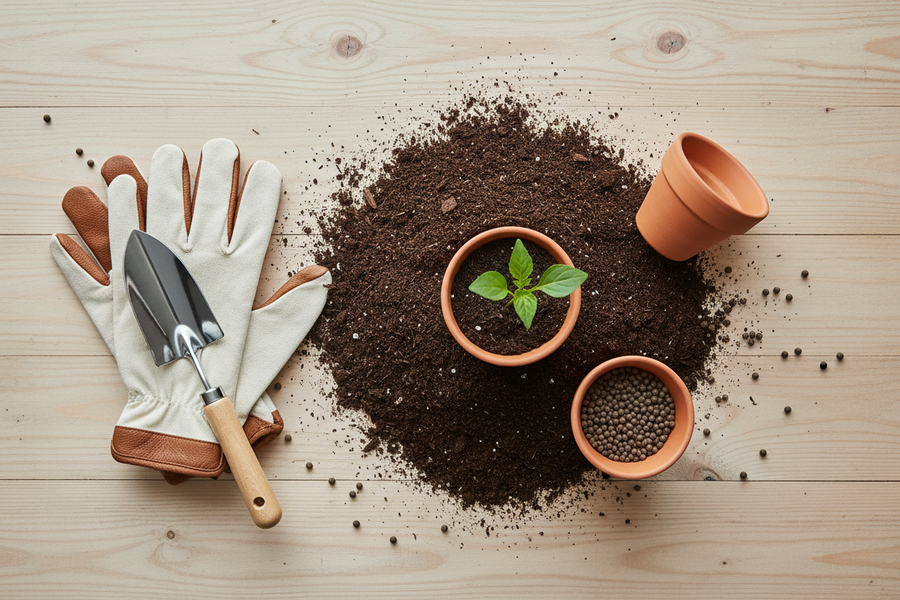
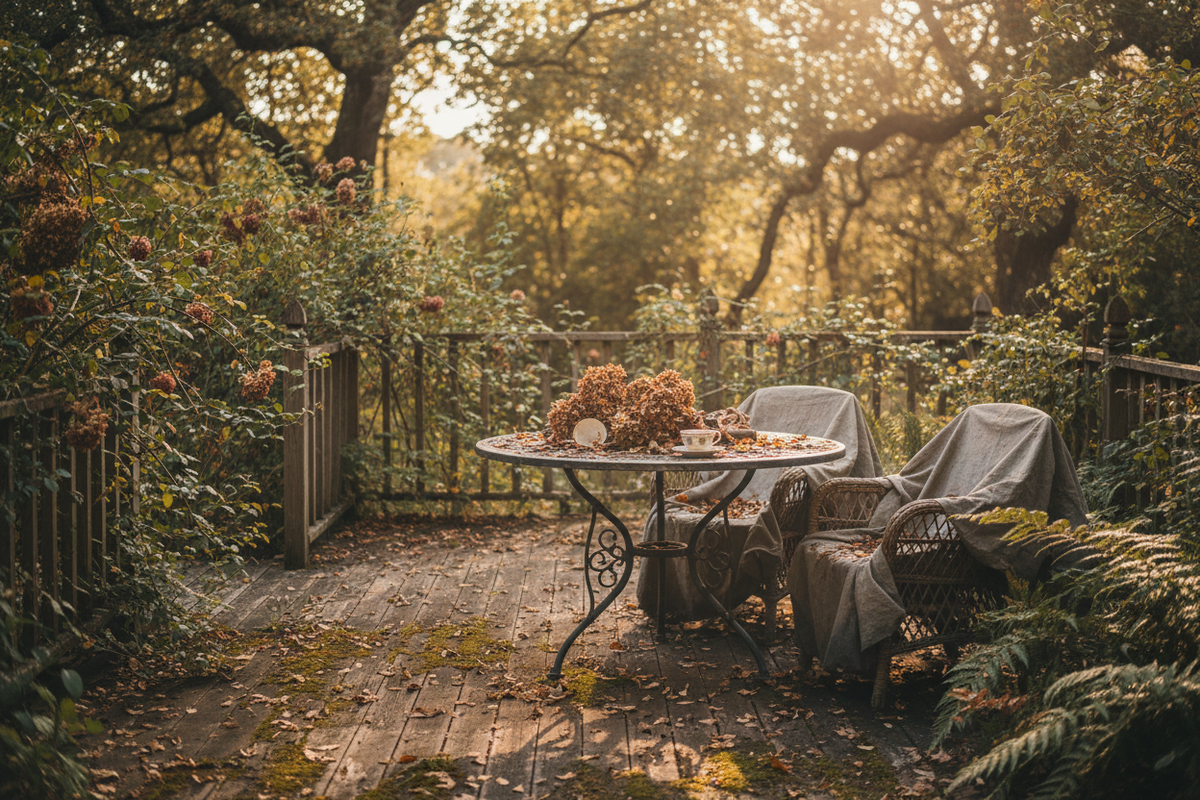
Bare Soil Cannot Be Healthy Picture a natural forest; the forest floor is always covered with fallen leaves and humus. Mulching is the science of recreating this natural forest floor in your backyard. Covering the soil serves three vital purposes. First, it blocks sunlight, preventing weed seeds from germinating. Second, it stops moisture evaporation during the intense summer heat, cutting your watering needs in half. Third, as the organic matter slowly decomposes, it acts as a natural, slow-release fertilizer that continuously feeds the microbes in the soil.
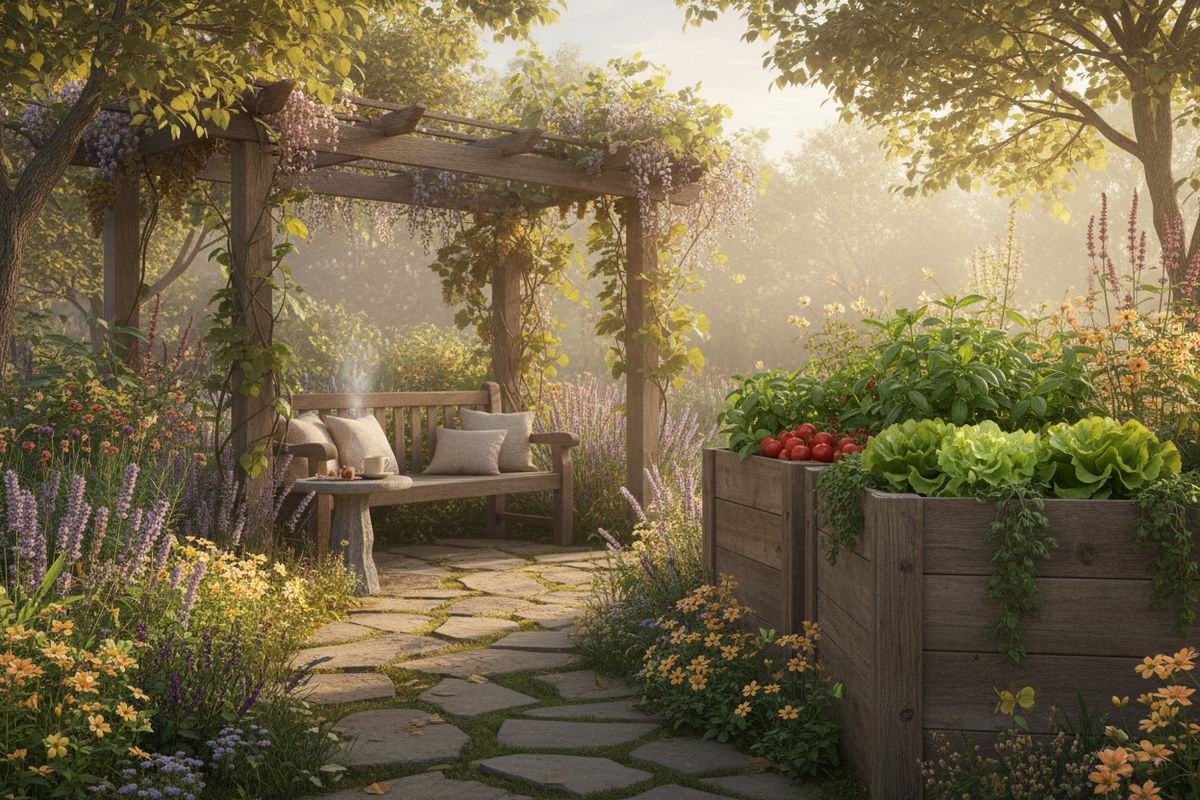
A Modern Approach to Soil Protection Instead of bending over every day to pull weeds or spraying harsh chemical herbicides, you need proactive measures to wisely cover and protect the soil's surface. Protecting the soil in your flower beds and vegetable patches is the strongest foundational work for a successful harvest.
Protect your soil's ecosystem with Sage-Spade’s 'Plant Care & Soil' lineup.
-
Organic Bark & Leaf Mold: The perfect natural mulch to cover the surface of your garden beds and large planters, stopping evaporation and suppressing weeds.
-
Eco-Friendly Pest Control: A safe, Neem Oil-based solution that targets leaf-eating pests while safely protecting the beneficial microbes living under your mulch.