
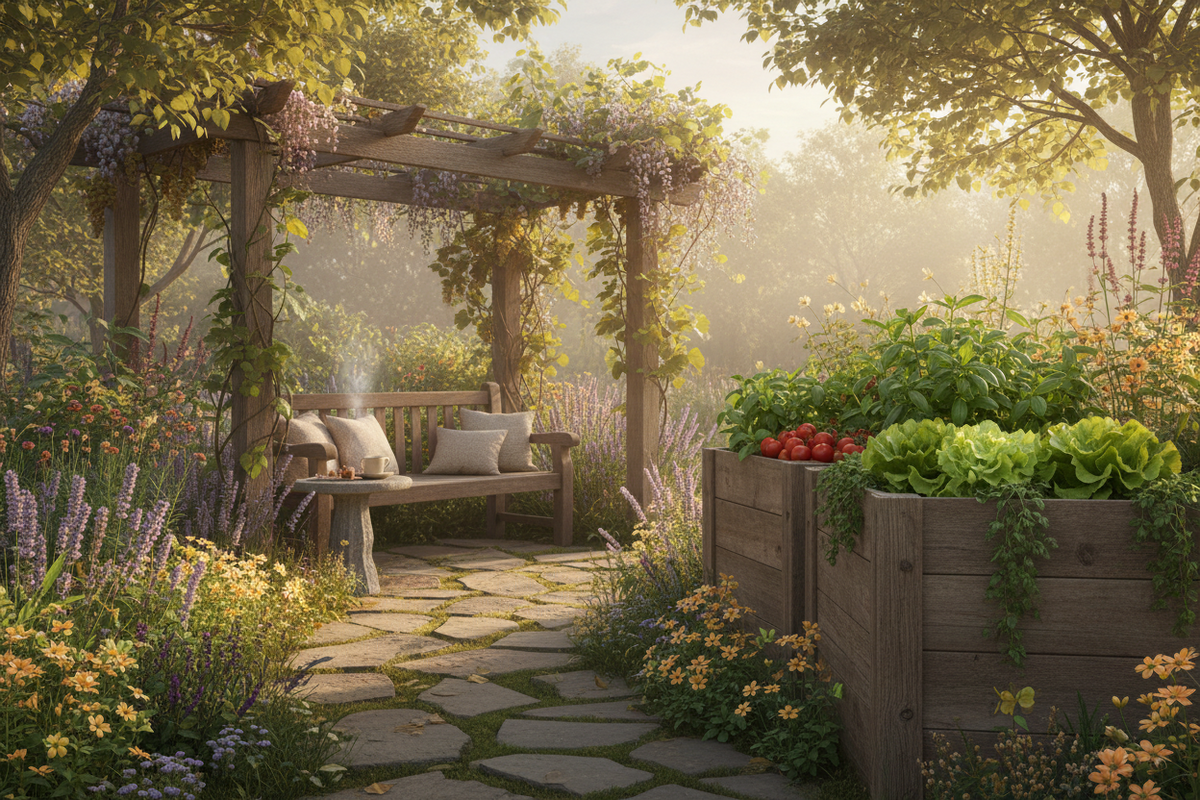

Plant Now, Celebrate Later: How Fall Planning Can Bring Beautiful Spring Color
Share
The Best Garden Surprises Begin Months Earlier
Imagine stepping outside after a long winter.
The garden still looks quiet.
Then you notice it.
A small green shoot pushing through the soil.
Soon another appears.
And before long, an area that seemed empty becomes filled with spring color.
One of gardening's greatest pleasures is seeing something you planned months ago finally appear.
Why Think About Spring During Fall?
Gardening teaches patience.
Not every garden project delivers immediate results.
For many gardeners and climates, fall is an important planning and planting period for certain spring-flowering bulbs.
The exact timing and varieties depend on your growing region, so always check the requirements of the plants you choose.
Step 1 — Decide Where Spring Needs Color
Walk around your garden before buying anything.
Where does spring usually look empty?
Consider:
Front walkways
Mailbox areas
Garden borders
Around patios
Under suitable trees
Large outdoor containers
Instead of randomly planting everywhere, identify several intentional areas.
Step 2 — Think in Groups
One isolated flower can disappear visually in a large landscape.
Grouping suitable varieties can create stronger visual impact.
Imagine ribbons or clusters of color rather than scattered dots.
Step 3 — Think About Height
Create layers.
Lower-growing varieties can work toward the front.
Taller flowers can add structure behind them.
Layering makes a garden feel fuller and more intentional.
Step 4 — Coordinate Colors
Try a simple palette.
Soft Garden
White + pale pink + lavender
Cheerful Spring
Yellow + white + purple
Bold Garden
Red + orange + yellow
Repeating a few colors often creates a more polished result than using every available color.
Step 5 — Use the Right Planting Tools
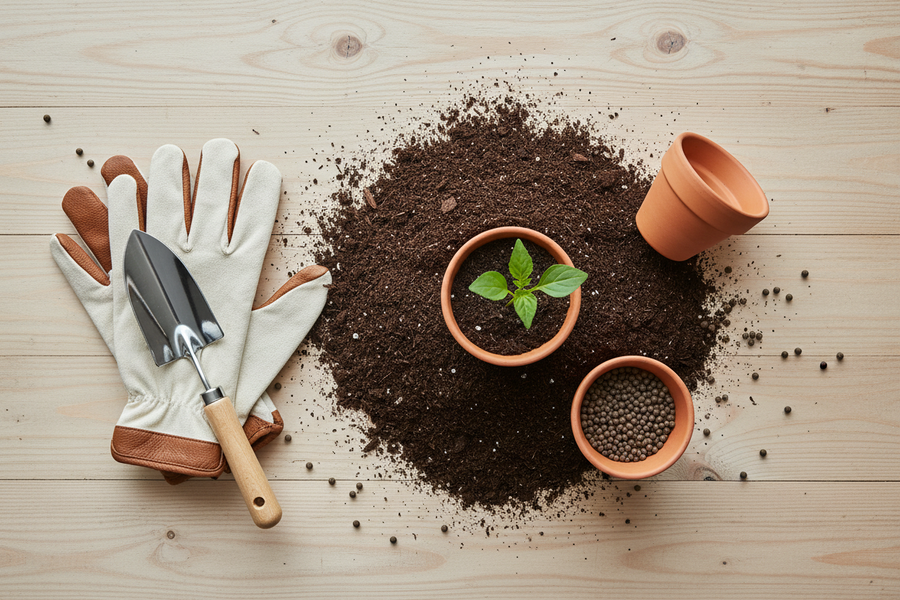
A bulb planter or garden auger can make repetitive planting easier, especially when you're creating larger groups.
A hand trowel is useful for smaller projects and containers.
Always follow the recommended planting depth and spacing for the specific variety.
Common Mistakes to Avoid
Avoid purchasing plants simply because the package photo looks beautiful.
Consider:
Climate suitability
Sun requirements
Soil conditions
Planting depth
Mature height
Bloom timing
The right plant in the right place is more important than the prettiest package.
Sage & Spade Essentials
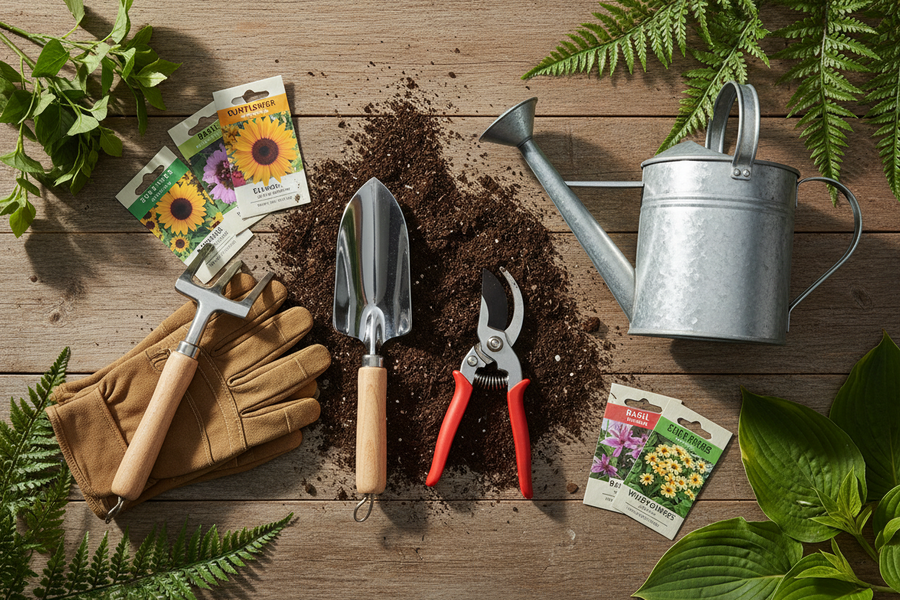
Useful fall planting products include:
-
Bulb Planters
-
Garden Augers
-
Hand Trowels
-
Gardening Gloves
-
Soil Scoops
-
Plant Markers
-
Kneeling Pads
-
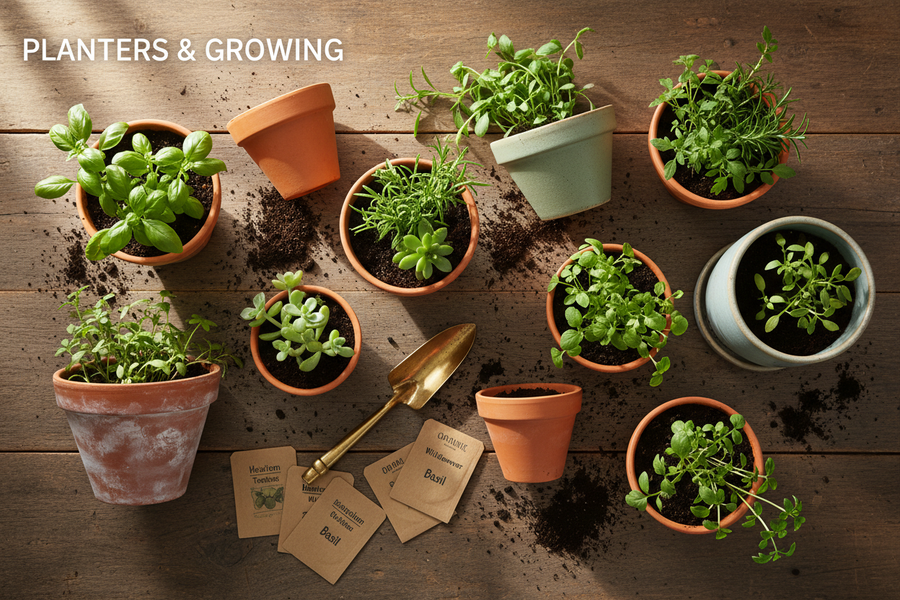
Outdoor Planters
Before → After
Fall
A quiet patch of soil and a few hours of planting.
Spring
Color appears where months earlier there seemed to be nothing.
That's one of gardening's best rewards.
Quick Tips
Mark planting locations.
Take a photo.
Write down varieties.
Keep packaging or plant information.
You'll appreciate those notes in spring.
FAQ
Can bulbs be planted in containers?
Many can, depending on the plant, container, climate, and overwintering conditions.
Should I plant every variety at the same depth?
No. Follow the instructions for each specific plant.
How do I create a natural appearance?
Groups and irregular clusters often appear more natural than perfectly straight rows.
Conclusion
Gardening asks us to believe in something we can't see yet.
Plant today.
Wait through winter.
Then watch the garden remember what you planned.
👉 Explore Planting Tools & Growing Essentials
Sage & Spade — Plant today. Bloom beautifully tomorrow.