



Leave a Little Room for Nature: How to Create a Wildlife-Friendly Garden This Winter
Share
Why Winter Wildlife Habitat Matters
Birds and beneficial insects need suitable places to find food, water, and shelter.
Many gardens become extremely tidy in fall.
Every leaf disappears.
Every stem is cut down.
Every corner is cleared.
While some cleanup is important for safety and plant health, removing all natural material can also eliminate useful habitat.
A wildlife-friendly garden balances responsible maintenance with thoughtful habitat preservation.
Step 1 — Leave Some Healthy Plant Stems
Certain dormant stems and seed heads can provide shelter or food for wildlife.
Instead of cutting everything to the ground, identify plants that can safely remain standing.
Some seed-bearing flowers and grasses can also add visual interest during winter.
Remove diseased material when necessary and follow species-specific plant-care recommendations.
Step 2 — Keep Leaves in Suitable Garden Areas
Fallen leaves aren't always waste.
A suitable layer beneath shrubs or in planting beds can contribute organic matter and provide habitat for some overwintering insects.
Keep sidewalks, drains, and frequently used paths clear.
Avoid allowing excessive leaf accumulation to smother lawns or vulnerable plants.
Step 3 — Add Native Plants to Future Garden Plans
Native plants adapted to your region can provide important resources for local wildlife.
When planning future planting, consider species that offer:
-
Seasonal flowers
-
Seeds
-
Berries
-
Protective foliage
-
Nesting opportunities
Choose plants based on your region and the wildlife you hope to support.
Step 4 — Provide Clean Water
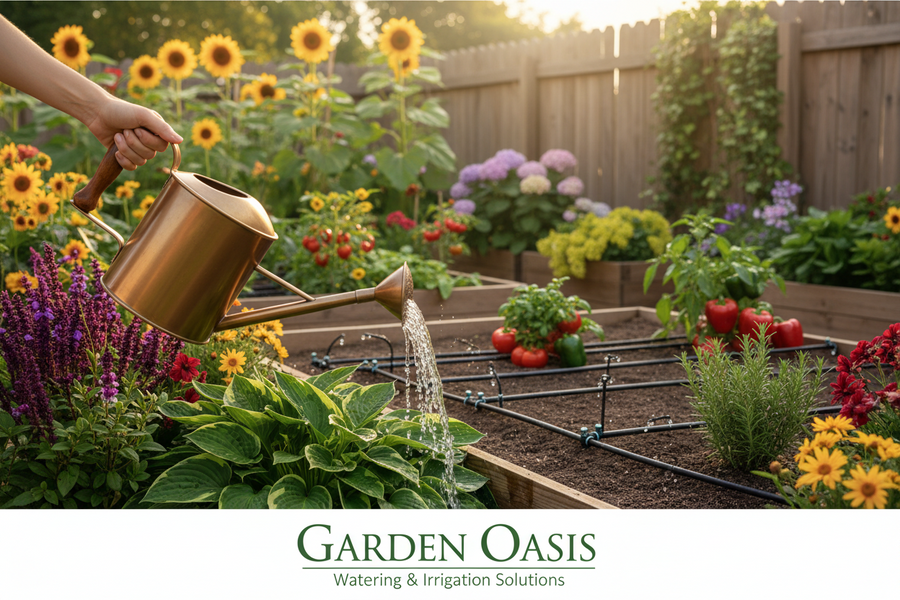
A shallow, appropriately maintained birdbath can offer a useful water source.
Clean it regularly.
Avoid stagnant water.
In freezing climates, use equipment specifically designed for safe outdoor winter operation if you intend to keep water available.
Step 5 — Create Natural Shelter
Shrubs, suitable evergreen plantings, and protected garden corners can offer shelter.
In appropriate locations, small piles of branches or natural materials may also provide habitat.
Keep these areas away from structures where they could create fire, pest, or safety concerns.
Step 6 — Keep the Garden Attractive
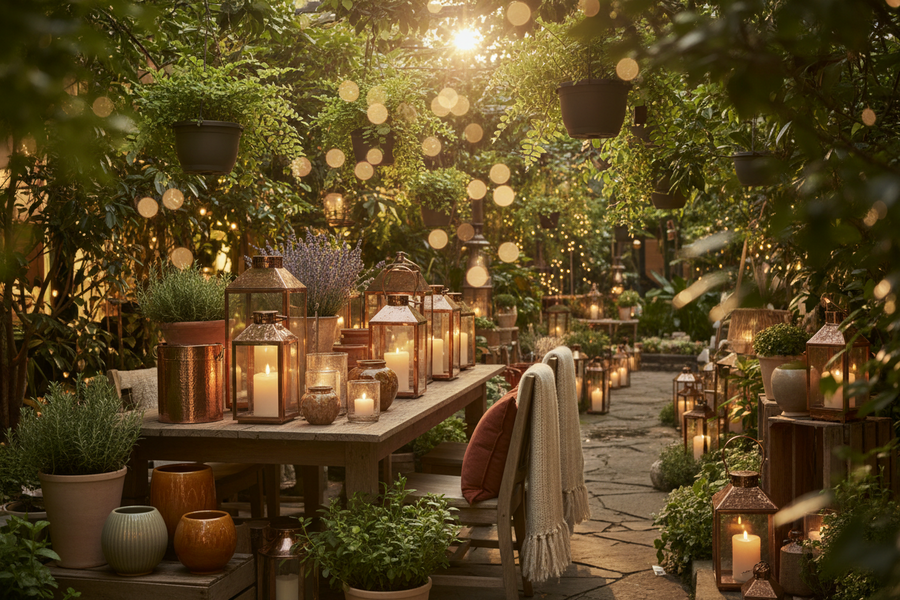
Wildlife-friendly gardening doesn't have to look neglected.
Define garden edges.
Maintain clear walkways.
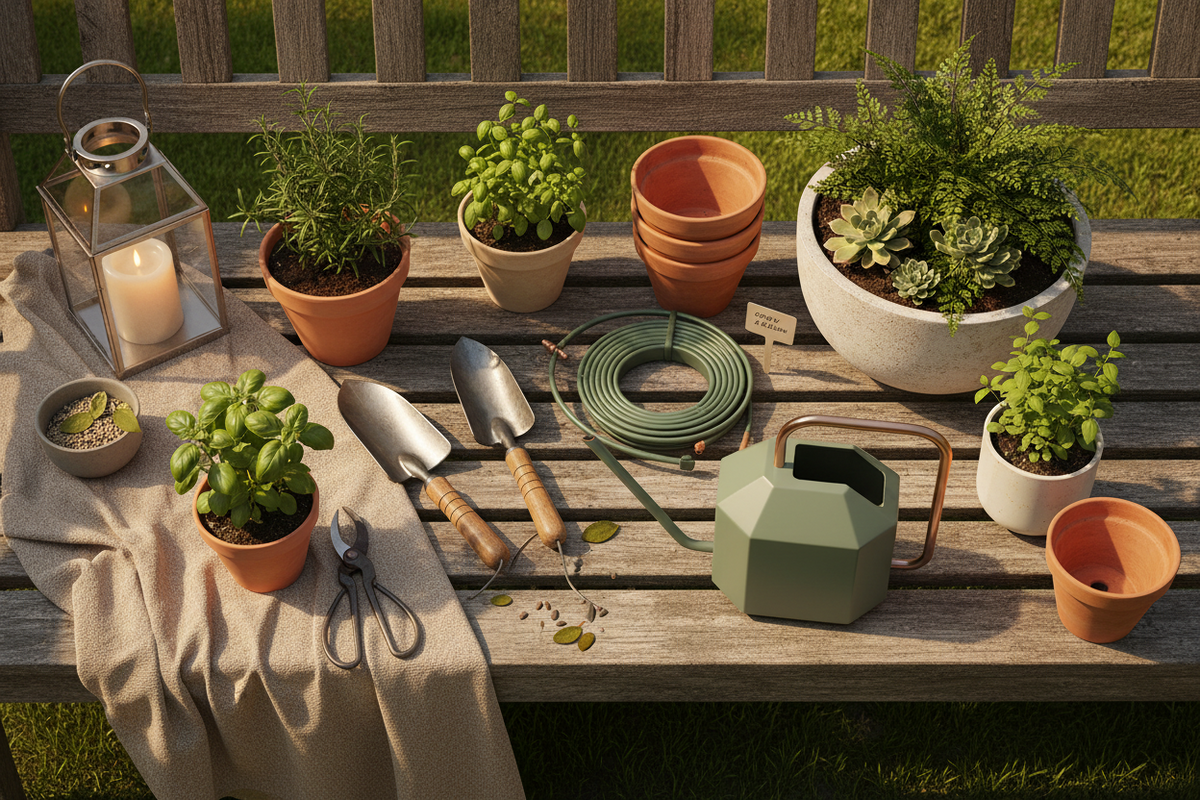
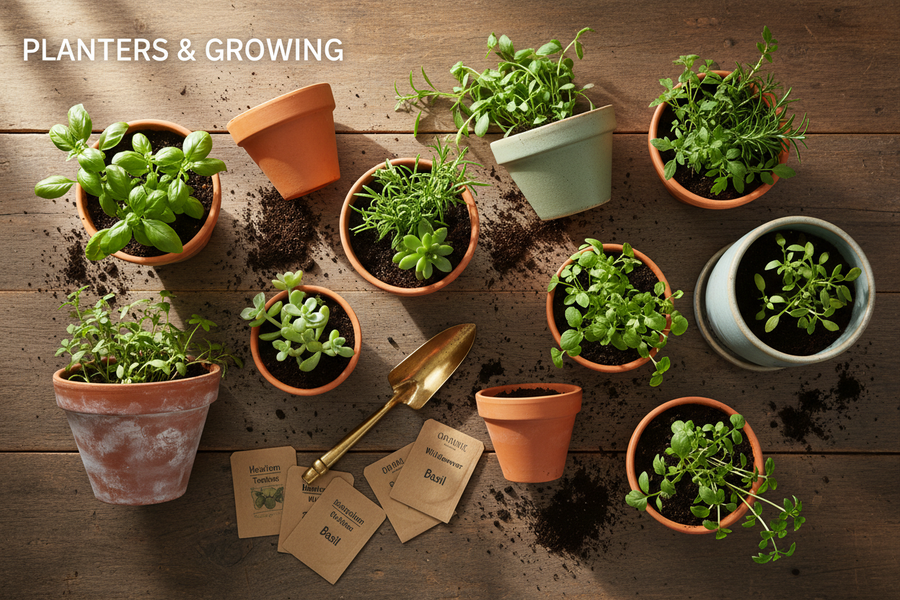
Use attractive planters.
Organize tools.
Create intentional natural areas rather than allowing the entire landscape to become unmanaged.
A garden can look cared for while still supporting wildlife.
Common Mistakes to Avoid
Removing every leaf and stem: Some materials may be valuable to overwintering wildlife.
Ignoring diseased plants: Habitat preservation should not replace appropriate disease management.
Allowing birdbaths to become dirty: Water features require maintenance.
Choosing plants without regional research: Native plant recommendations vary by location.
Creating unsafe brush piles: Habitat features should be positioned and maintained responsibly.
Recommended Sage & Spade Essentials
-
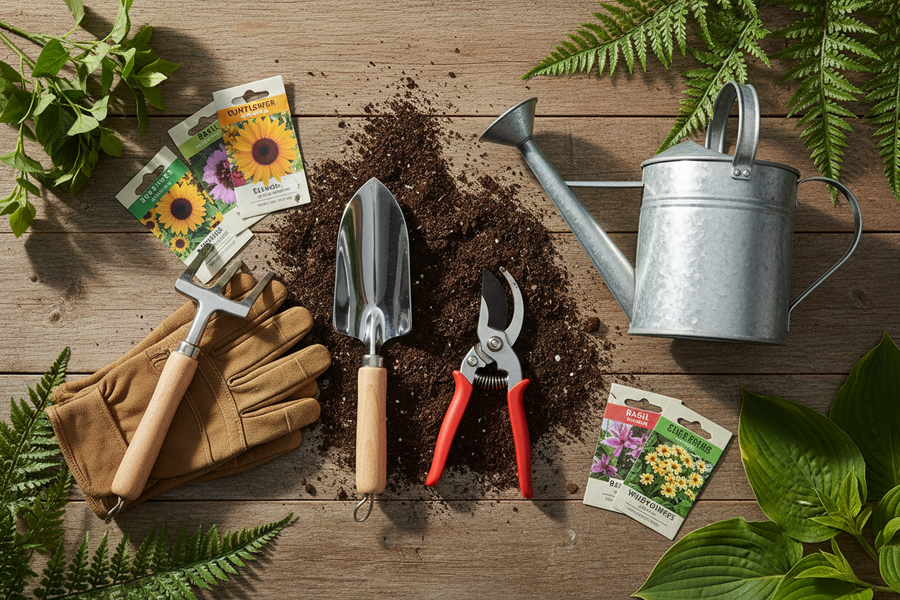
Garden Hand Tools
-
Garden Rakes
-
Pruning Shears
-
Gardening Gloves
-
Birdbaths
-
Native Plant Growing Accessories
-
Garden Planters
-
Outdoor Garden Décor
Before → After
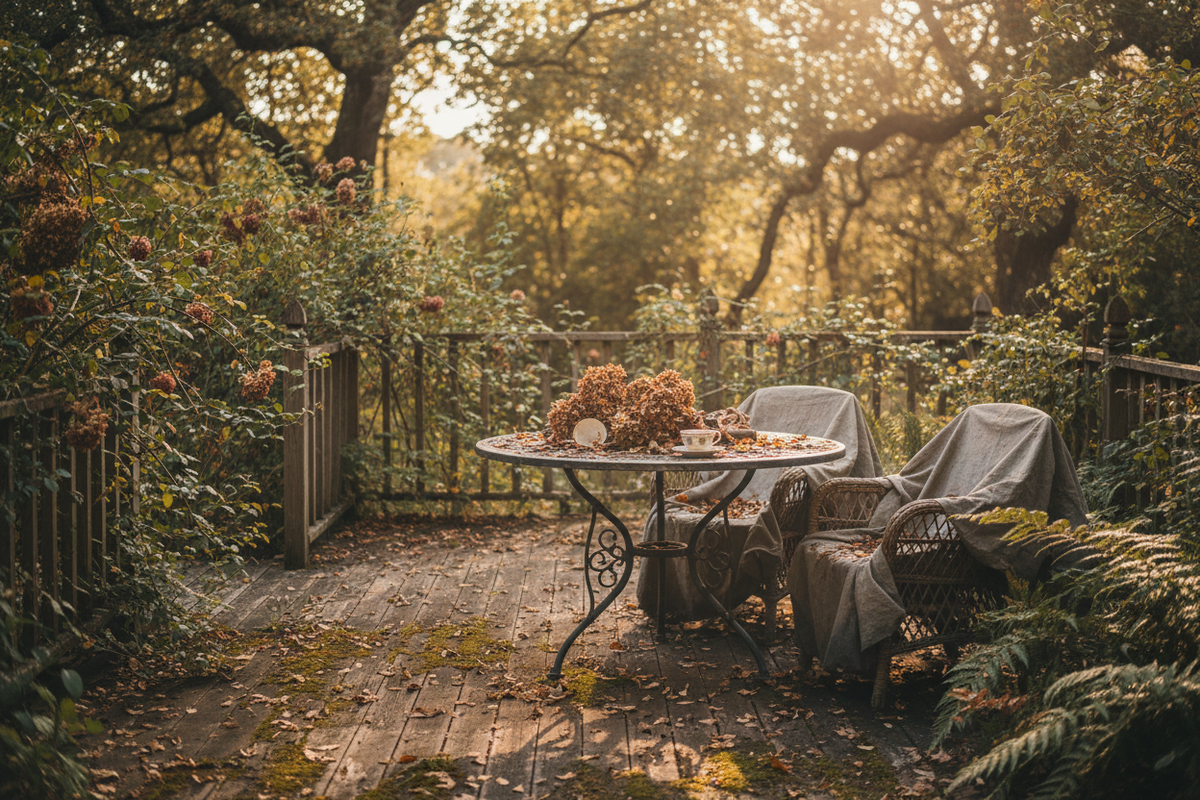
Before: A garden cleared so thoroughly that little natural shelter remained.
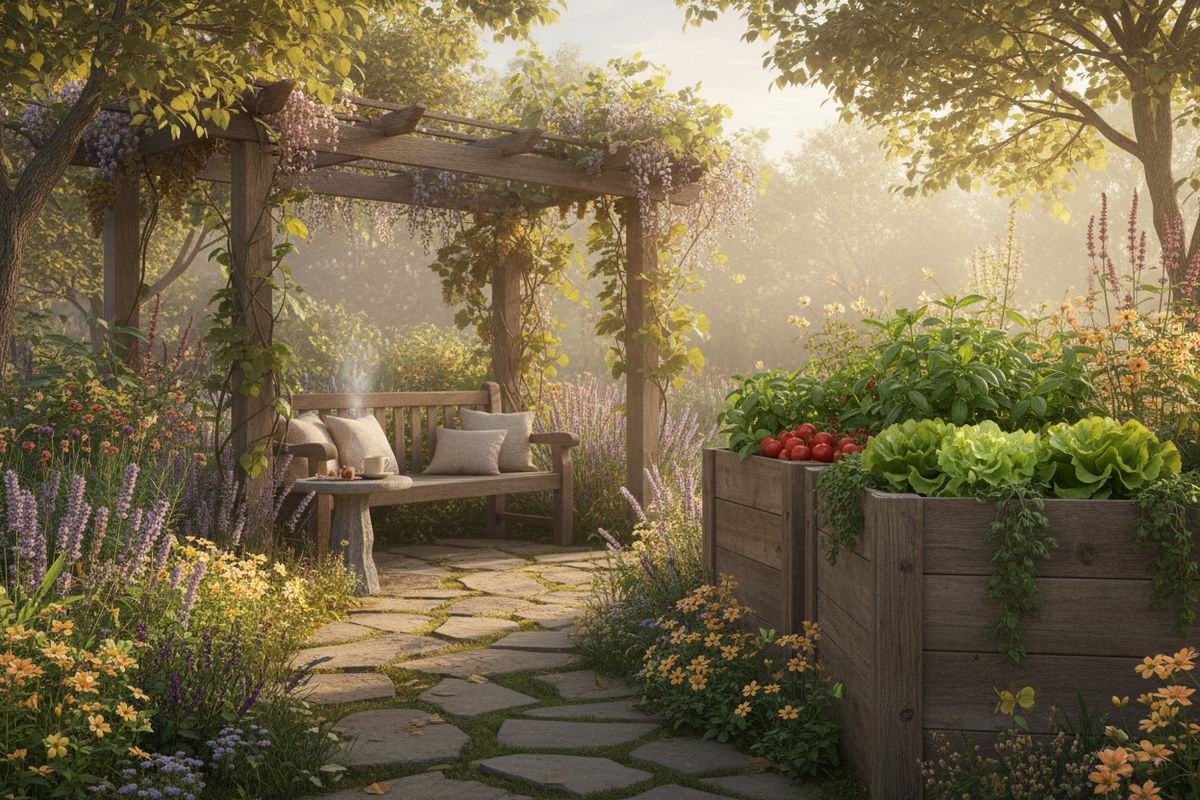
After: A thoughtfully maintained landscape with selected leaves, stems, greenery, and water features that may support local wildlife.
The garden remains beautiful while becoming more welcoming to nature.
Quick Tips
Keep paths clear but preserve suitable natural areas.
Leave healthy seed heads where appropriate.
Choose regionally suitable native plants.
Clean water features regularly.
Prioritize safety and plant health.
FAQ
Should I leave every fallen leaf in my yard?
No. Keep paths and drainage areas clear, and manage thick accumulations where they may damage plants or lawns. Suitable garden beds can retain some leaves.
Are dead flower stems useful for wildlife?
Some are. Certain insects use stems for shelter, while seed heads may provide food for birds.
Can a small garden support wildlife?
Yes. Even modest outdoor spaces can offer useful resources when designed and maintained thoughtfully.
Conclusion — Sometimes the Most Beautiful Thing You Can Grow Is a Welcome
A garden doesn't belong only to the person who plants it.
It can also become a place where birds pause, beneficial insects find shelter, and nature continues its quiet work.
You don't need to transform your entire backyard into a wilderness.
Start with one thoughtful decision.
Leave a few healthy stems.
Choose a suitable native plant.
Provide clean water.
Give nature a little space.
Because a beautiful garden isn't only about what we grow.
It's also about what we make possible.
Explore Garden Care & Nature-Friendly Essentials
Sage & Spade — Grow Life Beautifully.