


Give Your Garden a Second Life: A Beginner's Guide to Composting at Home
Share
Introduction — Yesterday's Garden Waste Can Become Tomorrow's Garden Resource
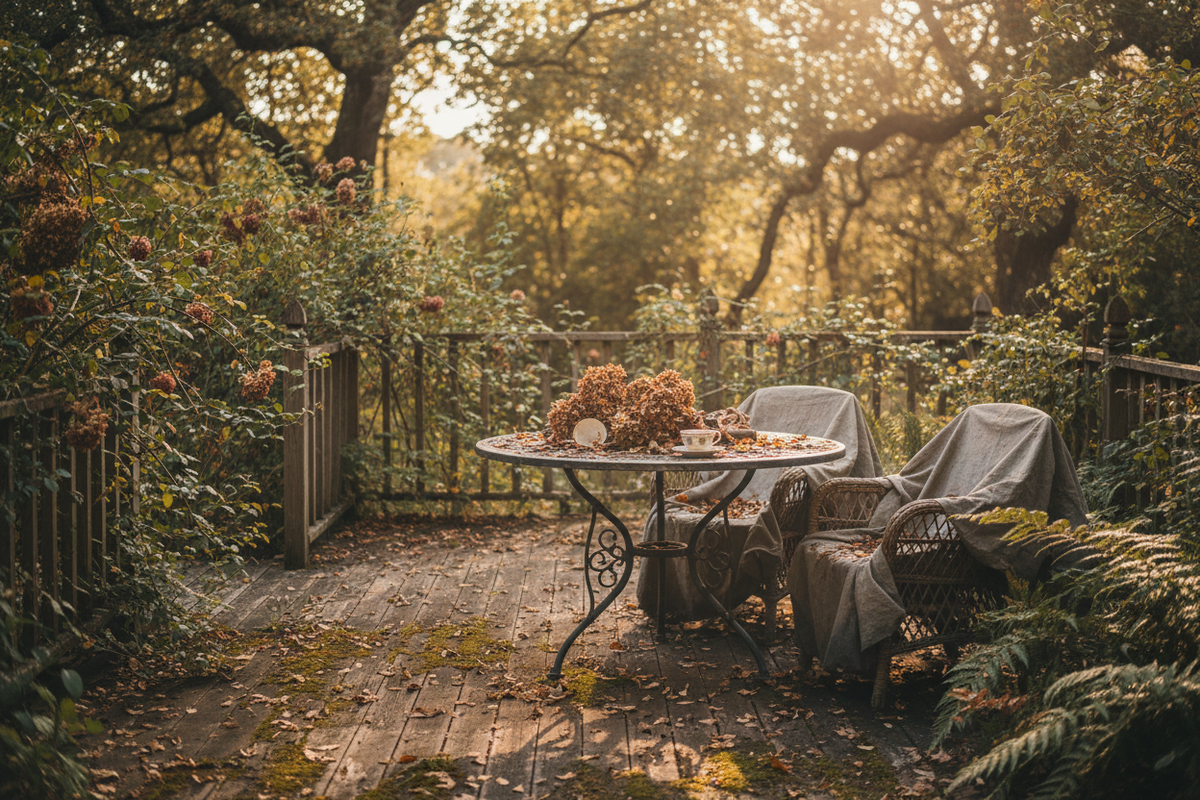
After preparing dinner, you notice vegetable scraps on the cutting board.
Outside, fallen leaves are gathering beside the garden.
A few spent flowers need removing.
Usually, these materials feel like things to throw away.
But what if some of them could become part of your next growing season?
Composting offers a practical way to turn suitable organic materials into a useful soil amendment.
It also creates a different relationship with your garden.
Instead of seeing every fallen leaf or vegetable trimming as waste, you begin seeing the natural cycle of growth, decay, and renewal.
Why Composting Is Worth Learning
Composting is a biological process in which microorganisms break down suitable organic materials.
Finished compost can contribute organic matter to soil and help improve soil structure when used appropriately.
For home gardeners, composting can also become a satisfying routine that connects kitchen habits with outdoor care.
You don't need a large property to begin.
You need an appropriate system, suitable materials, and a willingness to learn.
Step 1 — Choose the Right Composting Setup
There are several ways to compost at home.
Outdoor Compost Bin
A contained option for gardeners who want to manage leaves, plant trimmings, and suitable kitchen scraps.
Compost Tumbler
A rotating container that can make mixing materials more convenient.
Compost Pile
A simple approach for homeowners with sufficient space and an appropriate location.
Specialized Small-Space Systems
Certain enclosed or worm-based systems may work for smaller properties when operated correctly.
Choose based on your available space, local rules, climate, and the amount of material you expect to generate.
Step 2 — Understand Greens and Browns
Composting generally requires a balance of nitrogen-rich and carbon-rich materials.
Greens may include:
-
Vegetable scraps
-
Fruit scraps
-
Coffee grounds
-
Fresh plant trimmings
-
Suitable fresh grass clippings
Browns may include:
-
Dry leaves
-
Shredded plain cardboard
-
Small untreated woody materials
-
Dry plant matter
A practical starting point is to include a generous amount of browns alongside greens, adjusting the mixture as you observe moisture, odor, and decomposition.
Step 3 — Know What to Leave Out
For a typical beginner backyard composting system, avoid adding:
-
Meat and fish scraps
-
Dairy products
-
Oily cooked foods
-
Pet waste
-
Diseased plant material
-
Weed seeds likely to survive the process
-
Chemically treated wood
These materials may create odor, attract pests, introduce pathogens, or otherwise complicate home composting.
Step 4 — Manage Moisture and Airflow
Composting works best when the materials have adequate moisture and oxygen.
If the pile becomes extremely dry, decomposition may slow.
If it becomes waterlogged or compacted, unpleasant odors may develop.
Mix or turn materials when appropriate for your system.
A compost aerator or garden fork can make this task easier.
Step 5 — Be Patient
Finished compost usually has a dark, crumbly appearance and an earthy smell.
Recognizable original ingredients should be largely broken down.
The time required varies with temperature, ingredients, moisture, particle size, and management.
Composting is not an instant process.
But that's part of its appeal.
Step 6 — Use Finished Compost Thoughtfully
Compost can be incorporated into suitable garden soil or used as part of an appropriate planting mixture.
Avoid assuming pure compost is the ideal growing medium for every plant.
For edible gardening, follow reliable local extension guidance on compost maturity and safe handling.
Common Mistakes to Avoid
Adding too many wet scraps: This can create an unbalanced, unpleasant-smelling pile.
Ignoring airflow: Compacted material can slow aerobic decomposition.
Expecting immediate results: Composting takes time.
Adding unsuitable waste: Not everything biodegradable belongs in a basic home compost system.
Using unfinished compost indiscriminately: Immature material may not be suitable for every planting situation.
Recommended Sage & Spade Essentials
-
Compost Tumblers
-
Outdoor Compost Bins
-
Compost Aerators
-
Garden Forks
-
Soil Scoops
-
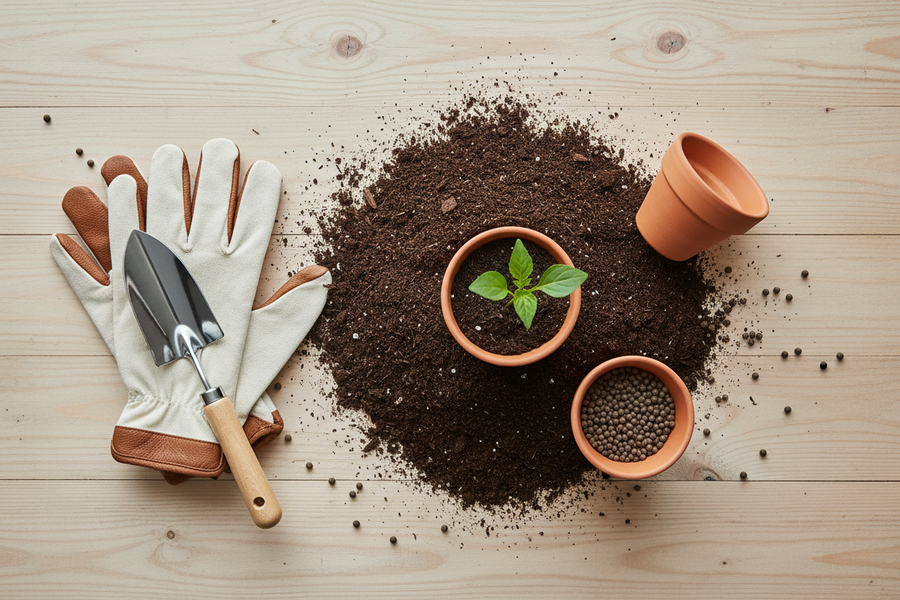
Garden Gloves
-
Compost Thermometers
-
Soil & Plant Care Tools
Before → After
Before: Leaves, trimmings, and kitchen scraps were simply unwanted waste.
After: Suitable organic materials become part of a managed composting routine that can eventually produce a useful garden amendment.
The transformation takes time, but it gives everyday garden care a new purpose.
Quick Tips
Start with a manageable amount.
Keep a supply of dry brown materials nearby.
Monitor moisture.
Choose a convenient but appropriate location.
Keep records of what works in your system.
FAQ
Does composting always smell bad?
No. A well-managed aerobic composting system should not produce persistent strong foul odors.
Can I compost during winter?
Yes, although decomposition may slow considerably in cold conditions.
Do I need expensive equipment?
Not necessarily. Equipment can improve convenience, but a suitable basic composting setup may be enough.
Conclusion — Grow Something Better From What You Already Have
Gardening is full of small transformations.
A seed becomes a plant.
A flower becomes a fruit.
Fallen leaves slowly return to the soil.
Composting reminds us that a garden's story doesn't end when a growing season finishes.
Sometimes, that's where the next chapter begins.
Explore Composting & Soil Care Essentials
Sage & Spade — Grow Life Beautifully.