









From Medieval Monasteries to Modern Balconies: The History of the Kitchen Garden
Share
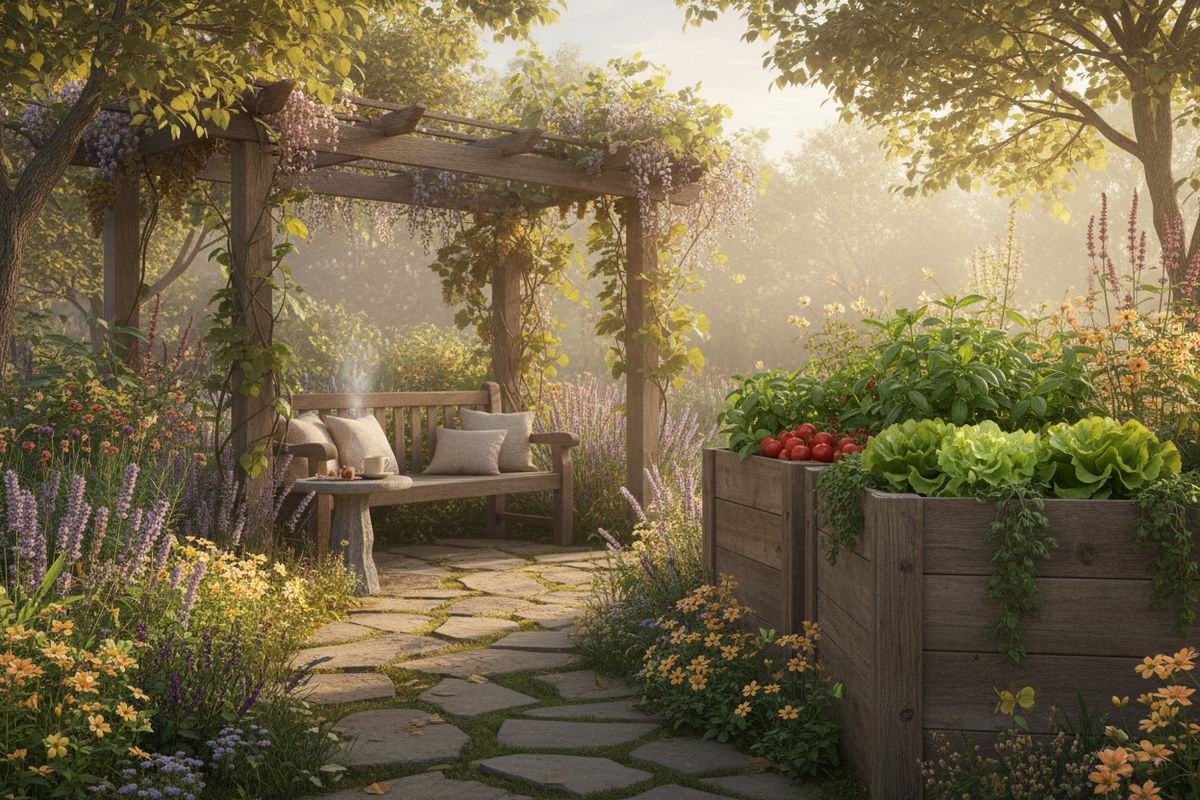
Introduction: The Potager - Where Beauty Meets Survival Is there really a need to separate a decorative flower garden from a practical vegetable patch? The traditional kitchen garden, known in French as the Potager, perfectly marries the two. Its origins trace back to the courtyards of medieval European monasteries. Monks planted medicinal herbs, edible vegetables, and edible flowers together in stunning geometric patterns, pursuing both aesthetic beauty and sheer utility.
Body: The Era of 0-Mile Food Following the industrialization of the 19th century, people grew accustomed to buying their vegetables at the grocery store. However, the kitchen garden has made a spectacular comeback recently, driven by the "Gardening-to-Table" movement. Planting basil next to your cherry tomatoes and bordering them with bright marigold flowers is exactly how the medieval monks did it. Growing the food you eat with your own two hands does more than save money; it provides a profound sense of accomplishment by participating directly in the cycle of nature.
Application & Solution: Breaking the Stereotype of the Ugly Veggie Patch A modern kitchen garden shouldn't be a messy dirt pit hidden in the back corner of your yard. It should be the striking centerpiece of your lawn or the aesthetic highlight of your balcony.
Design an elegant harvest space with Sage-Spade’s 'Raised Beds & Urban Gardening' lineup:
-
Galvanized Raised Beds: Modern, architectural steel beds that allow you to gracefully tend to your vegetables without bending over, elevating the aesthetic of your entire yard.
-
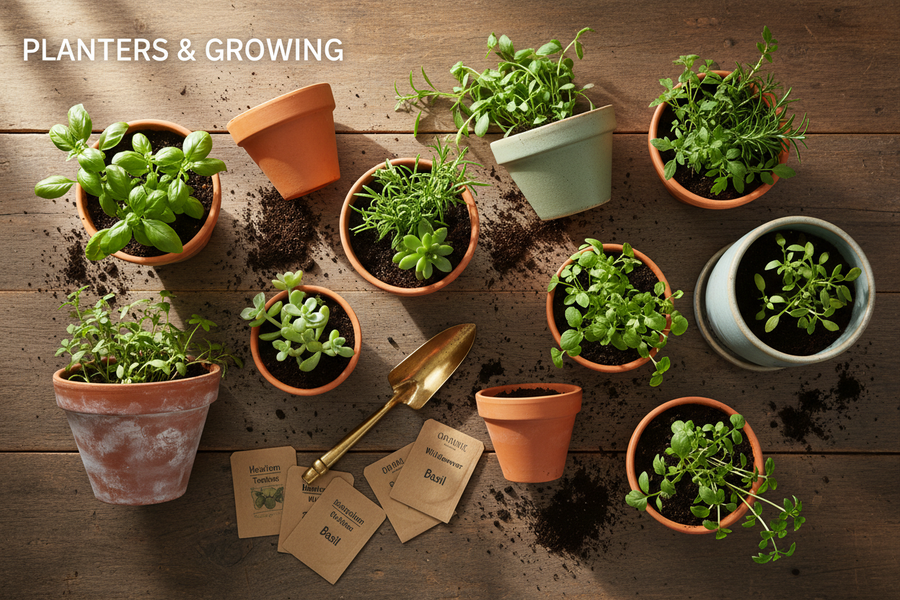
Indoor Herb Growing Kits: A smart urban gardening solution that lets you harvest the freshest basil and mint right on your kitchen windowsill or balcony.