



Create a Garden That Feels Calm: 7 Design Ideas for a More Peaceful Outdoor Space
Share
You walk outside on a warm afternoon.
The surface of the soil looks dry.
So you water.
Tomorrow, it looks dry again.
You water again.
But does the plant actually need it?
Watering seems like one of gardening's simplest jobs.
In reality, good watering is about observation—not simply turning on the hose every day.
Why Watering Habits Matter
Plants don't all use water at the same rate.
Water needs can vary based on:
Plant type
Container size
Soil
Temperature
Sun exposure
Wind
Rainfall
Season
Stage of growth
This is why rigid watering routines aren't always ideal.
Instead, build a routine around checking conditions.
Step 1 — Check Before You Water
Don't judge only by the surface.
Where appropriate, check moisture below the top layer of soil.
A moisture meter may provide additional information, particularly for gardeners learning the habits of their plants.
But tools should complement observation—not replace it.
Step 2 — Water the Root Zone
For many garden plants, water is most useful when it reaches the root area rather than simply wetting surrounding surfaces.
Apply water intentionally.
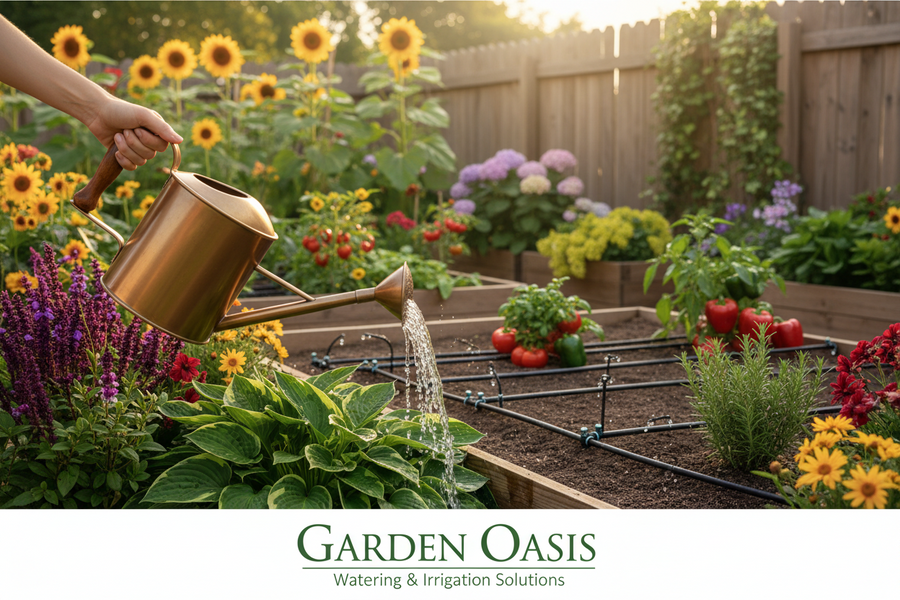
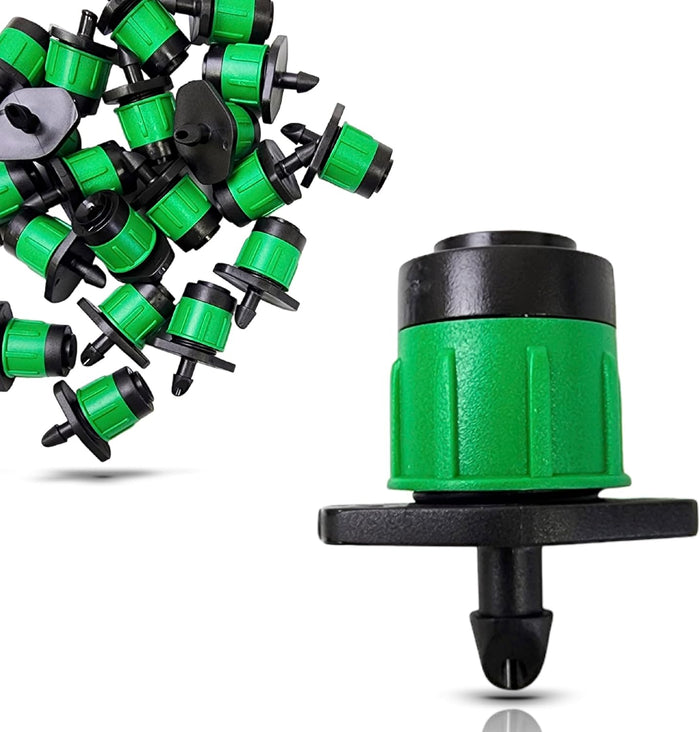
This is one reason drip systems and watering wands can be useful.
Step 3 — Understand Containers
Containers can behave differently from in-ground beds.
Smaller containers may dry more quickly.
Material, drainage, plant size, sun exposure, and weather can all influence how frequently they need attention.
Check them individually.
Step 4 — Make Watering Convenient
A difficult watering setup makes consistency harder.
Consider:
Is the hose long enough?
Is the nozzle comfortable?
Are connectors leaking?
Would a watering wand help?
Could drip irrigation simplify a raised bed?
Would a timer be useful for your routine?
Sometimes improving the equipment improves the habit.
Step 5 — Check the Weather
If rain is expected, watering plans may need adjustment.
If conditions become unusually hot, plants may need closer observation.
Garden routines should adapt.
Step 6 — Group Similar Needs
When practical, grouping plants with similar watering requirements can simplify garden care.
This can be especially useful with container gardens.
Common Mistakes to Avoid
❌ Watering Automatically Without Checking
Routine isn't the same as good plant care.
❌ Assuming Every Plant Needs Equal Water
Different plants have different requirements.
❌ Ignoring Drainage
Water needs somewhere to go.
❌ Using Damaged Equipment
Leaks can make watering inefficient and frustrating.
❌ Forgetting Seasonal Changes
The routine that worked in midsummer may not make sense later in the year.
Sage & Spade Watering Essentials
-
Garden Hoses
-
Multi-Pattern Nozzles
-
Watering Wands
-
Digital Watering Timers
-
Drip Irrigation Kits
-
Soaker Hoses
-
Soil Moisture Meters
-
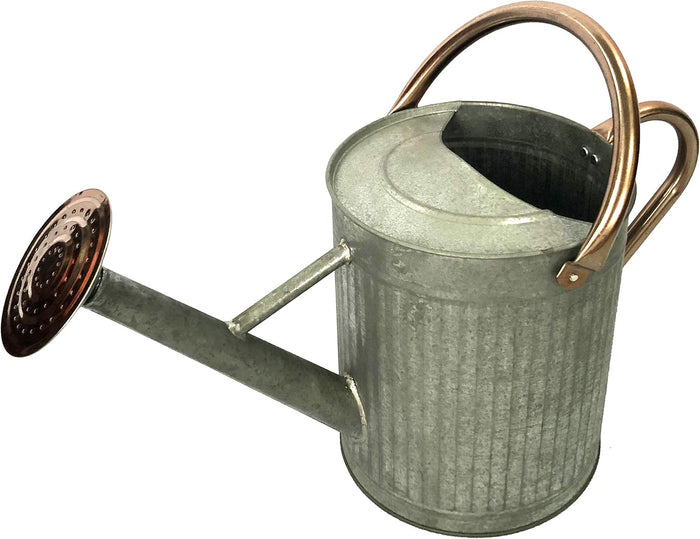
Watering Cans
-
Self-Watering Planters
Before → After
BEFORE
“Should I water today?”
“I watered yesterday.”
“Why does this plant still look unhappy?”
AFTER
Check.
Observe.
Water intentionally.
Adjust.
Your watering routine becomes less about guessing and more about understanding.
Quick Tips
Check before watering.
Know your plants.
Watch the weather.
Inspect drainage.
Repair leaks.
Adjust routines as seasons change.
FAQ
Should I water every day?
There is no universal schedule. It depends on the plant, soil, weather, container, and growing conditions.
Is a moisture meter necessary?
No, but it can provide additional information when used appropriately.
Is drip irrigation useful?
It can be a convenient solution for certain beds, containers, and garden layouts.
Conclusion
Good gardeners don't simply water plants.
They learn how their gardens use water.
Observe first.
Water with purpose.
Adjust when conditions change.
The smarter the routine becomes, the easier garden care can feel.
👉 Explore Watering & Irrigation
Sage & Spade — Water smarter. Grow beautifully.