







Beauty in Rebellion: The Birth of the English Cottage Garden
Share
Introduction: Rebelling Against the Symmetry of Versailles During the 17th and 18th centuries, European gardens were ultimate symbols of power. Highly controlled, geometrically trimmed, and perfectly symmetrical gardens—like those at the Palace of Versailles—were the standard. However, in the late 19th century, a massive horticultural rebellion ignited in England. Horticulturists like William Robinson and Gertrude Jekyll heavily criticized these artificial, rigid designs, popularizing instead the 'Cottage Garden' style, where plants were allowed to grow, tangle, and bloom naturally.
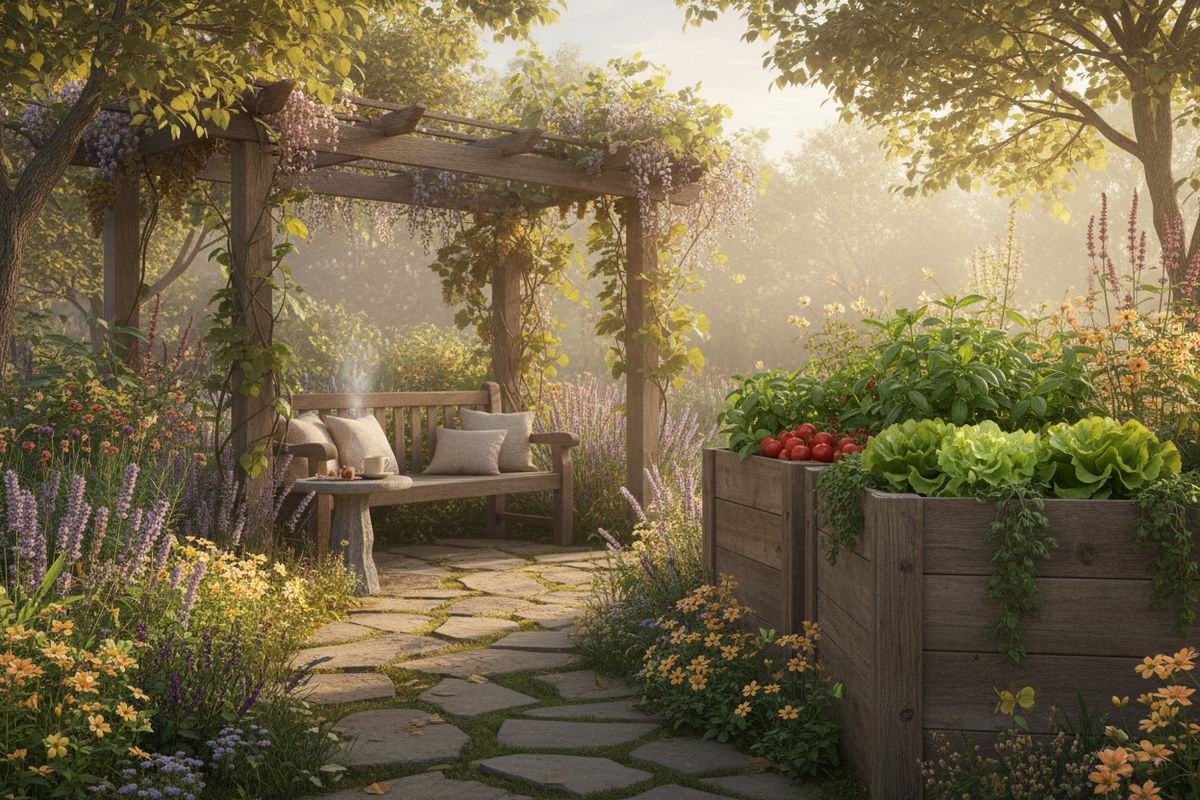
Body: The Marriage of Practicality and Romance Originally, the 'Cottage Garden' stemmed from the cramped front yards of poor English peasants, who densely packed herbs, vegetables, and fruit trees together purely for survival. They planted marigolds next to vegetables to deter pests and let ivy reclaim any empty spaces. This space of survival caught the eyes of 19th-century artists, who romanticized it as the quintessential English landscape. Wildflowers blooming without rules, climbing roses, and the bees buzzing between them are the very soul of the cottage garden.
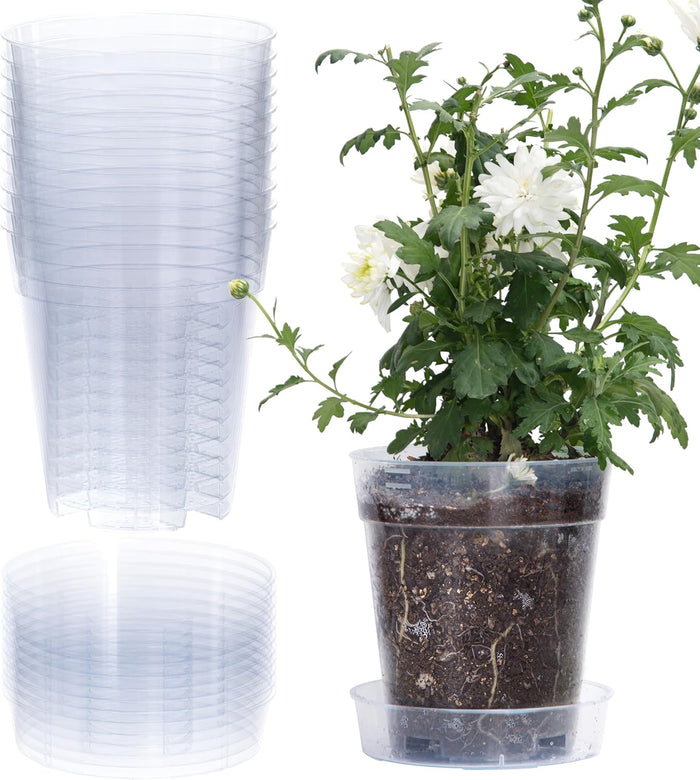
Application & Solution: Inviting Romance into Your Yard The modern cottage garden is incredibly forgiving for beginners because it doesn't demand perfection. Instead of using uniform plastic pots, lean into natural aesthetics with weathered decor and charming accents.
Complete your romantic landscape with Sage-Spade’s 'Garden Decor' collection:
-
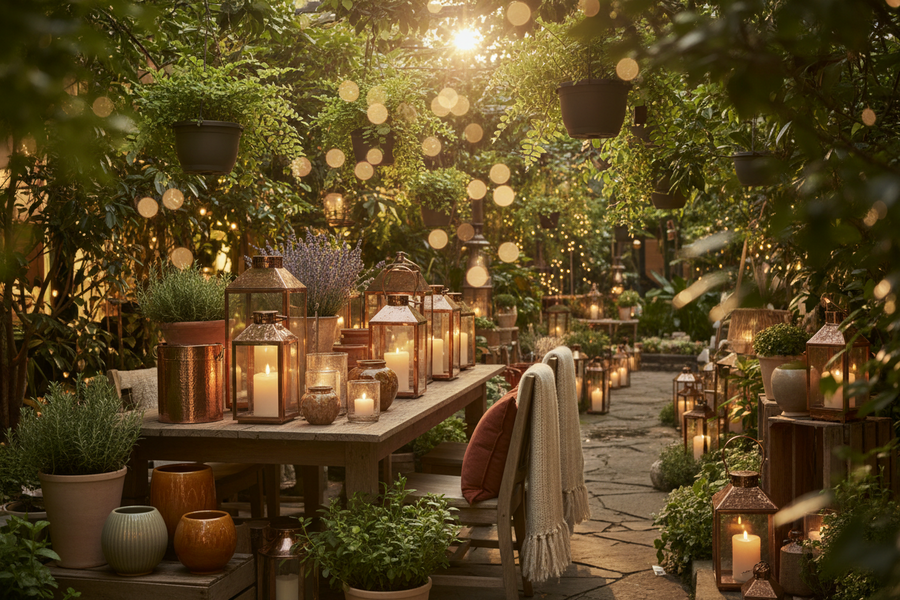
Solar Outdoor Lanterns: Placed casually among your climbing roses, they create the romantic ambiance of a rustic English cottage at dusk.
-
Vintage Bird Feeders: Draw a variety of birds and beneficial insects into your yard, helping you build a natural, thriving ecosystem.