


A Little Green Goes a Long Way: How to Create a Beautiful Indoor Plant Display
Share
Introduction — Bring a Little of the Garden Home
Imagine walking into your living room on a quiet winter morning.
Sunlight enters through the window.
A few beautiful plants sit on a wooden shelf.
One has broad, glossy leaves. Another has delicate trailing stems. A small planter adds a warm ceramic texture.
Nothing feels crowded.
Everything feels intentional.
You haven't renovated the room.
You've simply introduced a little more life.
Indoor plants can bring natural forms, interesting textures, and seasonal continuity into spaces we use every day.
Why Indoor Plant Styling Matters
Houseplants are often purchased one at a time.
A plant looks beautiful in a store, so we bring it home.
Then another.
Then another.
Eventually, plants appear on every available surface without a clear arrangement.
The solution isn't necessarily buying fewer plants.
It's creating a display that works with the room.
Good plant styling combines three things:
Plant health, visual balance, and everyday convenience.
Step 1 — Find the Right Growing Location
Before choosing planters or shelves, evaluate the available light.
A room that appears bright to people may still provide insufficient light for certain plants.
Consider the direction of windows, distance from natural light, and seasonal changes.
Select plants suited to the available conditions.
If necessary, appropriate grow lights can help supplement natural light.
Step 2 — Choose a Visual Theme
A coordinated plant display often feels more sophisticated than a collection of unrelated containers.
Try one of these directions.
Natural & Organic
Warm wood, terracotta-inspired planters, woven textures, and leafy greenery.
Modern Botanical
Simple white or neutral containers, clean lines, and architectural foliage.
Cozy Cottage
Mixed ceramic pots, trailing plants, small shelves, and soft natural textures.
The best style is the one that complements your home.
Step 3 — Create Height and Movement
Arrange plants at different levels.
A taller plant can anchor the floor.
Medium plants can occupy a stand or table.
Smaller containers can fill a shelf.
Trailing plants can soften the edge of a bookcase.
Different heights create a more natural composition and allow individual plants to stand out.
Step 4 — Select Planters for Both Beauty and Function
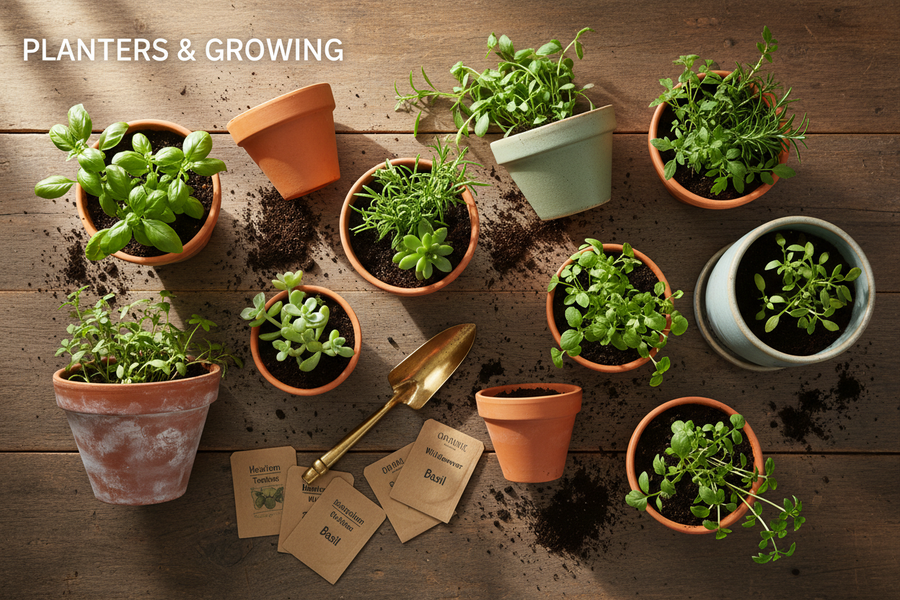
A planter should look beautiful, but it must also support appropriate plant care.
Consider:
-
Container size
-
Drainage requirements
-
Water collection
-
Material
-
Weight
-
Stability
-
Root space
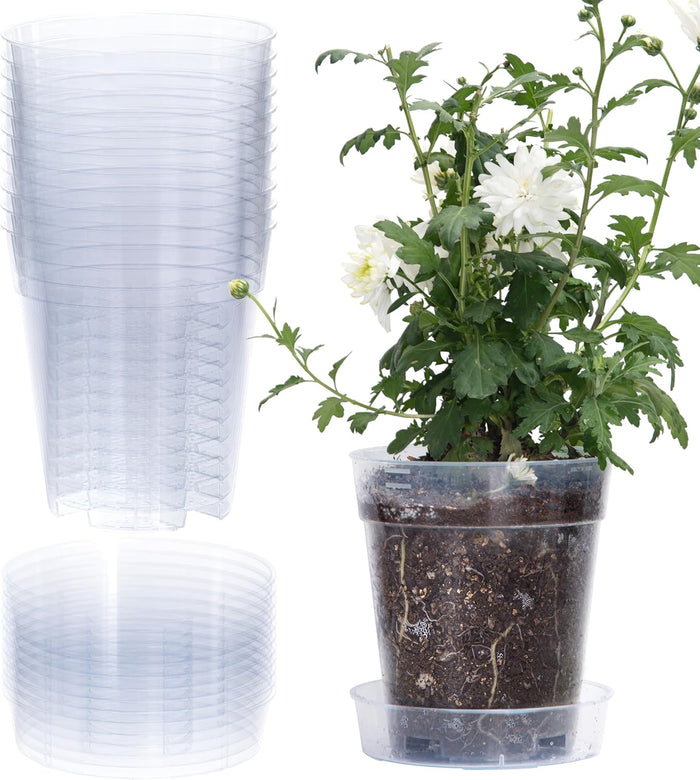
If using a decorative outer pot without drainage holes, keep the plant in an appropriate inner container and manage excess water carefully.
Step 5 — Make Plant Care Easy
Avoid placing plants where watering becomes difficult or messy.
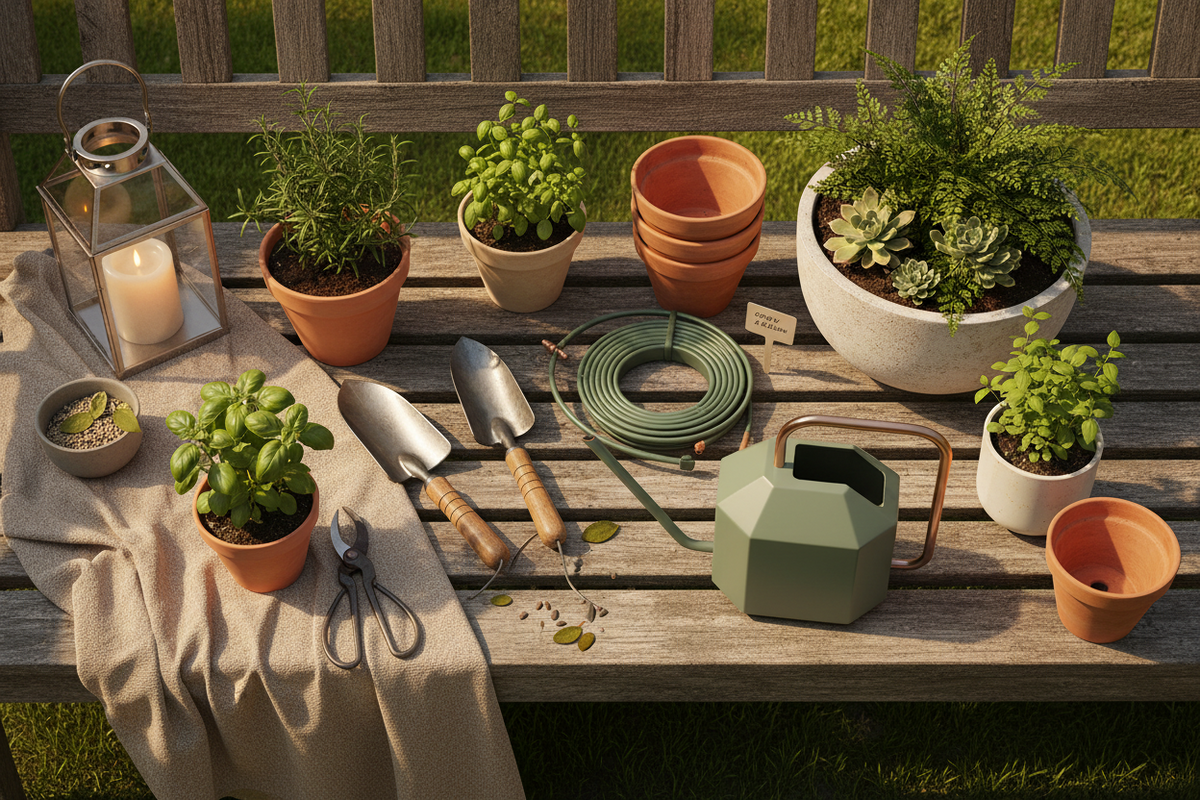
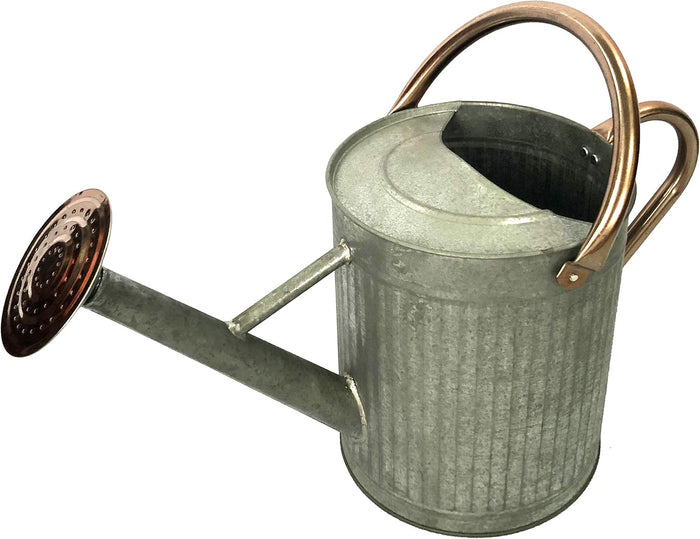
Keep a small watering can and basic care supplies nearby.
Group plants with compatible growing requirements when practical.
A simple moisture check can become part of your weekly routine.
Step 6 — Add One Statement Feature
Instead of filling every corner, choose one area to highlight.
A tall plant beside a reading chair.
A coordinated collection on a kitchen shelf.
A propagation station near a suitable window.
A beautiful plant stand in an unused corner.
One thoughtfully styled area can make the entire room feel more connected to nature.
Common Mistakes to Avoid
Choosing plants only for appearance: Their growing needs must come first.
Using unsuitable containers: Drainage and root conditions matter.
Overcrowding shelves: Plants need appropriate space and airflow.
Ignoring furniture protection: Water can damage wood and other surfaces.
Assuming all plants need identical care: Different species require different conditions.
Recommended Sage & Spade Essentials
-
Indoor Planters
-
Self-Watering Pots
-
Plant Stands
-
Grow Lights
-
Propagation Stations
-
Watering Cans
-
Moisture Meters
-
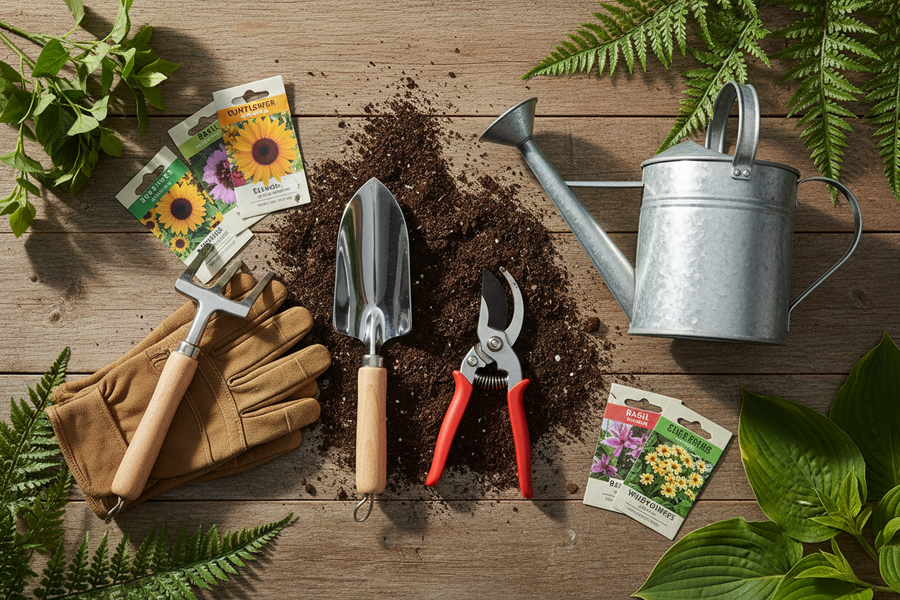
Indoor Gardening Tools
Before → After
Before: Scattered plants with mismatched containers and no clear arrangement.
After: A coordinated indoor garden that complements the room and makes routine plant care more convenient.
Quick Tips
Start with one display area.
Choose compatible planters.
Use height intentionally.
Keep watering supplies accessible.
Leave room for plants to grow.
FAQ
Do all indoor plants need direct sunlight?
No. Light requirements vary widely among plant species.
Can decorative pots without drainage holes be used?
They can serve as outer containers when excess water is managed appropriately.
Do I need a grow light?
Only when natural light is insufficient for the plants you want to grow.
Conclusion — Make Room for Something Living
A beautiful home is not only about furniture and decoration.
It's about the little details that make everyday life feel more personal.
A favorite plant.
A new leaf.
A quiet moment spent caring for something green.
You don't need a large indoor jungle.
Sometimes, one thoughtfully arranged corner is enough.
Explore Indoor Planters & Growing Essentials
Sage & Spade — Grow Life Beautifully.